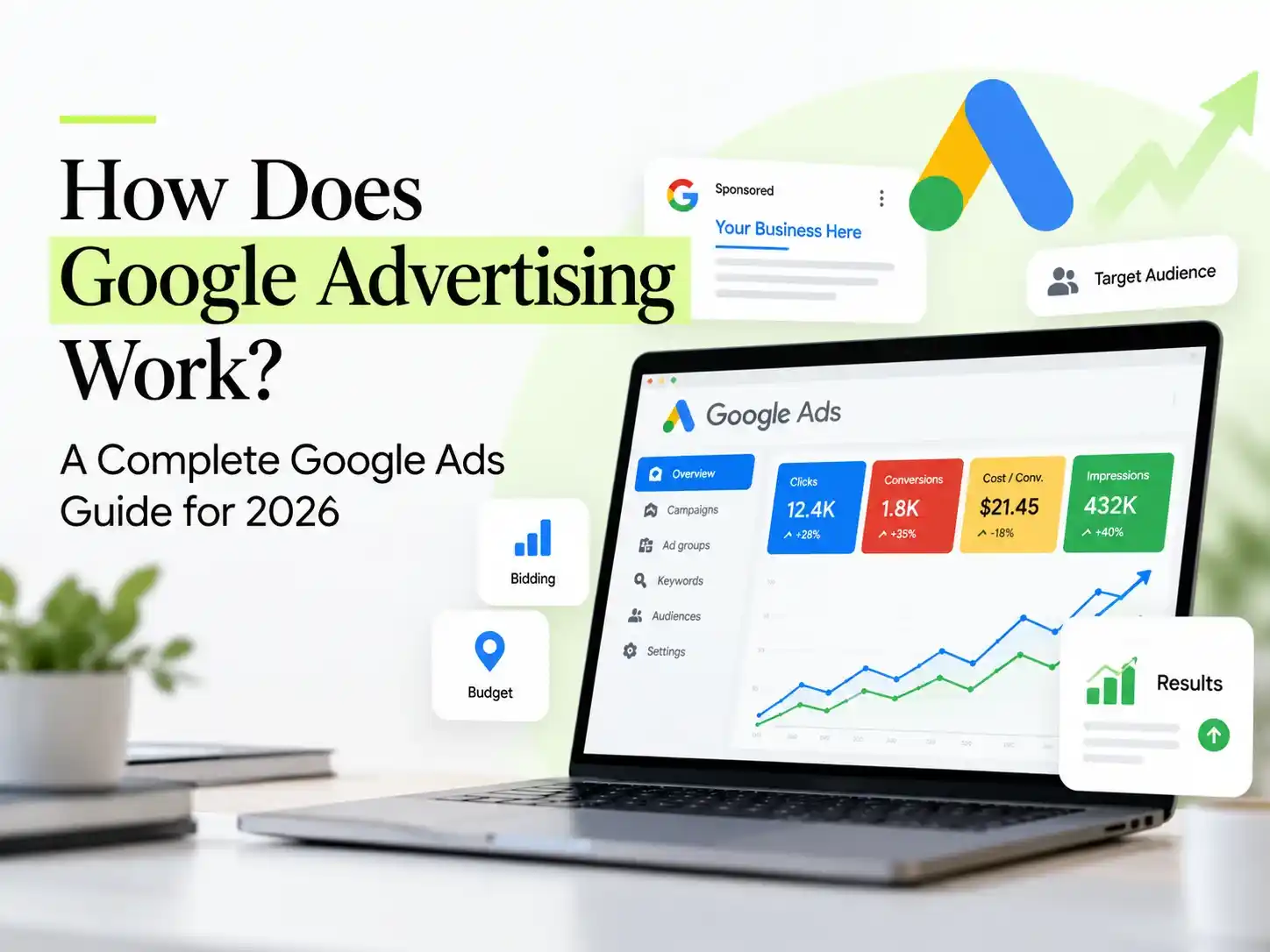
Automotive PPC is paid search advertising built for car dealerships, dealer groups, and auto repair businesses. It uses platforms like Google Ads to target vehicle shoppers, service customers, and local car buyers actively searching online, connecting ad clicks to landing pages, lead forms, and CRM systems that support dealership sales and service appointments.
Vehicle shoppers rarely walk onto a lot without researching online first. They search for specific makes and models, compare dealerships, look up financing, and check “car dealership near me” before ever picking up the phone. Automotive PPC puts a dealership’s inventory, offers, and service department in front of these buyers at the exact moment they’re searching.
Unlike organic SEO, which can take months to build visibility, automotive PPC advertising can generate paid search placement soon after a campaign launches. That speed matters in a competitive local market where several dealerships and service centers are bidding on the same searches.
PPC, or pay-per-click advertising, is a model where advertisers pay based on defined interactions, such as clicks, depending on the platform and campaign type. Automotive PPC applies this model specifically to car dealerships, auto repair shops, and related businesses.
Automotive PPC differs from generic PPC because automotive search behavior is layered: shoppers search by make, model, trim, location, and intent (buying, financing, or servicing). A strong campaign accounts for all of these signals. Automotive PPC sits within the broader category of search engine marketing (SEM), which includes search campaigns, display advertising, and remarketing.
Automotive PPC can put a dealership in front of high-intent shoppers at the moment they’re ready to act, while SEO builds visibility over time.
Benefits of Automotive PPC:
The core process follows a simple path:
Search → Ad → Landing Page → Conversion → Lead → CRM → Sales Follow-Up → Appointment or Sale.
When someone searches, Google Ads runs an auction that weighs bid strategy, ad relevance, and expected click-through rate (CTR) to determine which ads appear. Ad copy and landing pages then need to match what the shopper searched for, since message mismatch can hurt both conversion rate and ad performance.
Channel |
Primary Strength |
Speed |
Best Use |
Measurement |
|---|---|---|---|---|
Automotive PPC
|
Paid search visibility
|
Fast
|
High-intent searches
|
Leads, CPL, ROAS
|
SEO
|
Organic visibility
|
Long-term
|
Sustainable traffic
|
Rankings, traffic, leads
|
Display
|
Awareness, remarketing
|
Fast
|
Retargeting shoppers
|
Impressions, clicks
|
Social advertising
|
Audience targeting
|
Fast
|
Demand generation
|
Leads, engagement
|
No single channel is universally superior, many dealerships combine PPC, SEO, and remarketing.
Dealerships typically use Google Search Ads, Performance Max campaigns, and remarketing. Search campaigns can target make-and-model keywords, new vehicle inventory, and local searches like “cars for sale near me” or “used cars near me.” Performance Max can extend reach across Google’s network but should be evaluated against a dealership’s specific goals, not assumed to be the default best option.
Campaign Type |
Primary Goal |
Example Searches |
Key KPI |
|---|---|---|---|
Brand campaigns
|
Protect dealership name
|
"[Dealer name]"
|
CTR, CPC
|
Make/model campaigns
|
Vehicle-specific interest
|
"new [model] for sale"
|
Conversion rate
|
Local campaigns
|
Nearby buyers
|
"car dealership near me"
|
CPL
|
Service campaigns
|
Service appointments
|
"car service near me"
|
Appointments
|
Remarketing campaigns
|
Return past visitors
|
N/A
|
ROAS
|
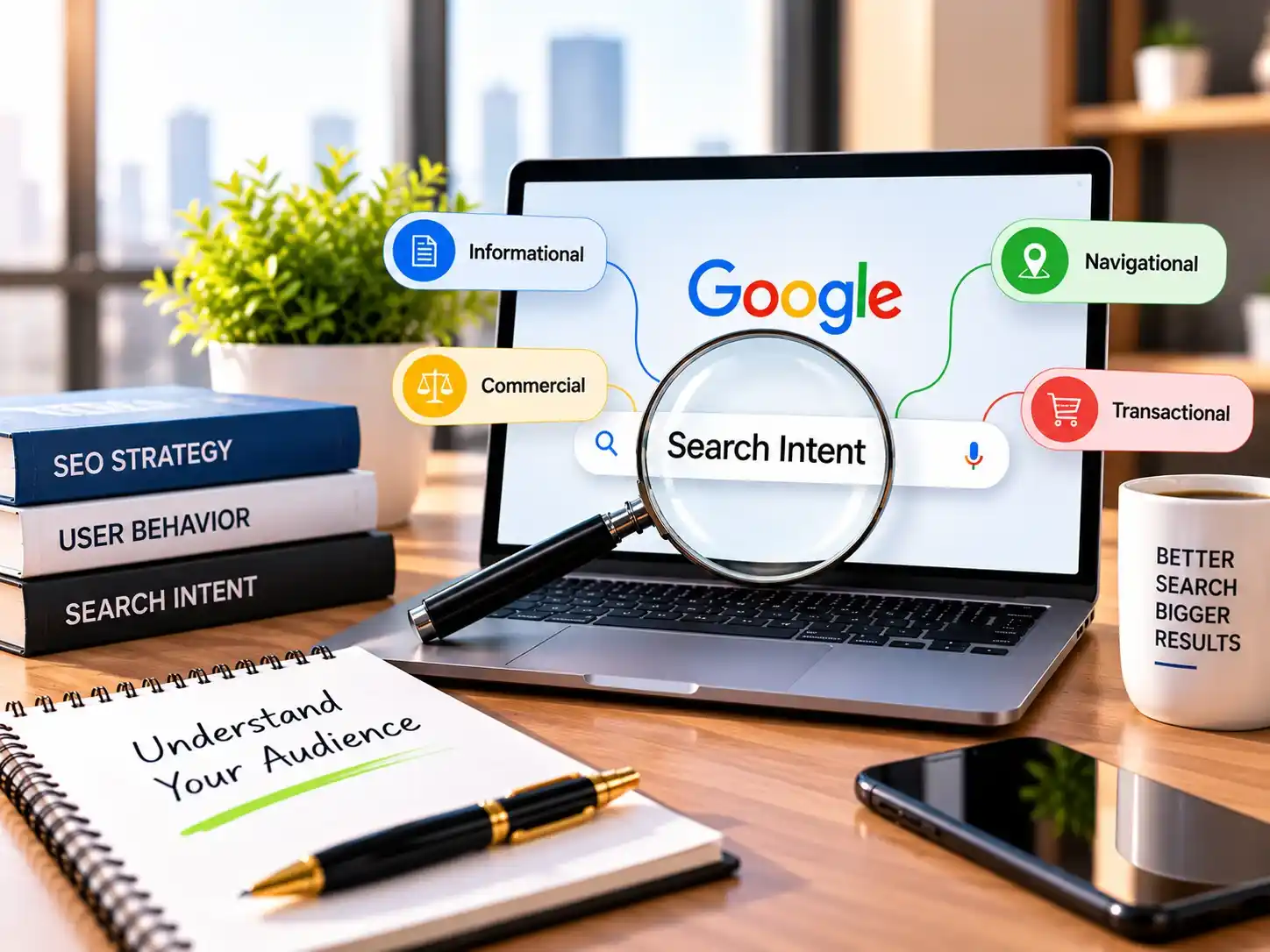
Keyword research separates informational searches (vehicle research) from commercial and transactional intent (ready to compare or buy). Examples of high-intent searches include “used cars near me,” “schedule a test drive,” and “new cars for sale.” No specific keyword is guaranteed to convert, targeting should reflect actual search demand and inventory.
Negative keywords help prevent ads from showing on irrelevant searches, such as “car manuals,” “die-cast models,” or “auto jobs,” which can protect budget and improve traffic quality. Negative keyword lists should be built from real search-term data, not assumptions.
Location targeting and geotargeting help ensure automotive PPC campaigns reach car buyers within a dealership’s actual service area. Radius targeting, location extensions, and localized landing pages all support relevance for “near me” searches and dealer-specific queries.
Effective automotive ad copy highlights vehicle availability, financing, trade-in offers, and local relevance, paired with a clear call to action. Ad extensions such as call, location, and sitelink extensions add useful context.
Sending every click to the homepage is a common mistake. A dedicated automotive landing page, matched to the ad’s message, mobile-friendly, fast-loading, and built around a simple lead form, typically supports stronger conversion rate optimization (CRO) than a generic page.
Automotive PPC can generate:
More leads doesn’t automatically mean better leads, sales teams should evaluate lead quality using appointment rates and close rates, not volume alone.
Service departments and independent repair shops can use automotive service PPC to target searches like “brake service near me” or “auto repair near me.” These campaigns should run separately from vehicle-sales campaigns, since the audience and intent differ.
There’s no universal “right” advertising budget. The budget depends on market competition, search volume, inventory, and business goals. A practical framework starts with target cost per lead (CPL) and works backward from lead and appointment goals, then adjusts based on campaign performance data.
Metric |
What It Measures |
Why It Matters |
|---|---|---|
CTR
|
Clicks ÷ impressions
|
Ad relevance
|
CPC
|
Cost per click
|
Bid efficiency
|
Conversion rate
|
Conversions ÷ clicks
|
Landing page effectiveness
|
CPL
|
Cost per lead
|
Lead generation efficiency
|
ROAS
|
Revenue ÷ ad spend
|
Advertising return
|
Conversion tracking, Google Analytics, and Google Tag Manager help connect clicks to form submissions. Call tracking captures phone leads, while CRM integration and offline conversion imports help link ad activity to actual sales, though not every dealership can track every offline outcome automatically.
Sir Marketer works with dealerships and automotive service businesses on automotive PPC management, including:
Results depend on market, inventory, budget, and sales follow-up, so no agency can guarantee specific leads, sales, or ROAS. A knowledgeable partner focuses on connecting PPC activity to lead quality and measurable outcomes over time.
Paid search advertising that targets vehicle shoppers and service customers through platforms like Google Ads.
Cost varies by market, competition, and campaign goals, there's no universal budget figure.
It can support visibility and lead generation, though results depend on many factors, including tracking and sales follow-up.
A mix of make/model, local, and service-related keywords matched to actual search intent.
PPC is paid visibility that can appear quickly; SEO builds organic visibility over a longer period. PPC does not directly improve organic rankings.
It can, when campaigns, landing pages, and tracking are properly aligned, lead quality should still be monitored.
Through CPC, CTR, conversion rate, CPL, and ROAS, tied back to CRM and sales data where possible.
It can help for dealerships that lack the time or expertise to manage campaigns, tracking, and optimization in-house.
Our team will answer all your questions, We ensure a quick response.