Your website didn’t lose rankings—but it lost traffic. Welcome to the era of AI search and zero-click SEO.
Search has fundamentally changed—not gradually, but almost overnight, with the rise of AI-powered search experiences. Users no longer need to click through to websites to get answers. AI-generated search results now summarize information directly on the results page, quietly reducing organic traffic—even for well-optimized content.
Zero-click searches have surged as platforms like Google AI Overviews, Bing Copilot, and ChatGPT deliver instant answers instead of a list of links. The old equation—rank higher, get more traffic—no longer holds. In many cases, your content is being used—but not visited.
In this guide, you’ll learn:

AI search refers to search experiences powered by artificial intelligence that deliver direct, summarized answers—rather than simply returning a list of links for users to browse. Instead of ten blue links, users now get one consolidated response that answers the query instantly. This shift is closely tied to how AI is transforming SEO, including how AI-generated content is evaluated and ranked.
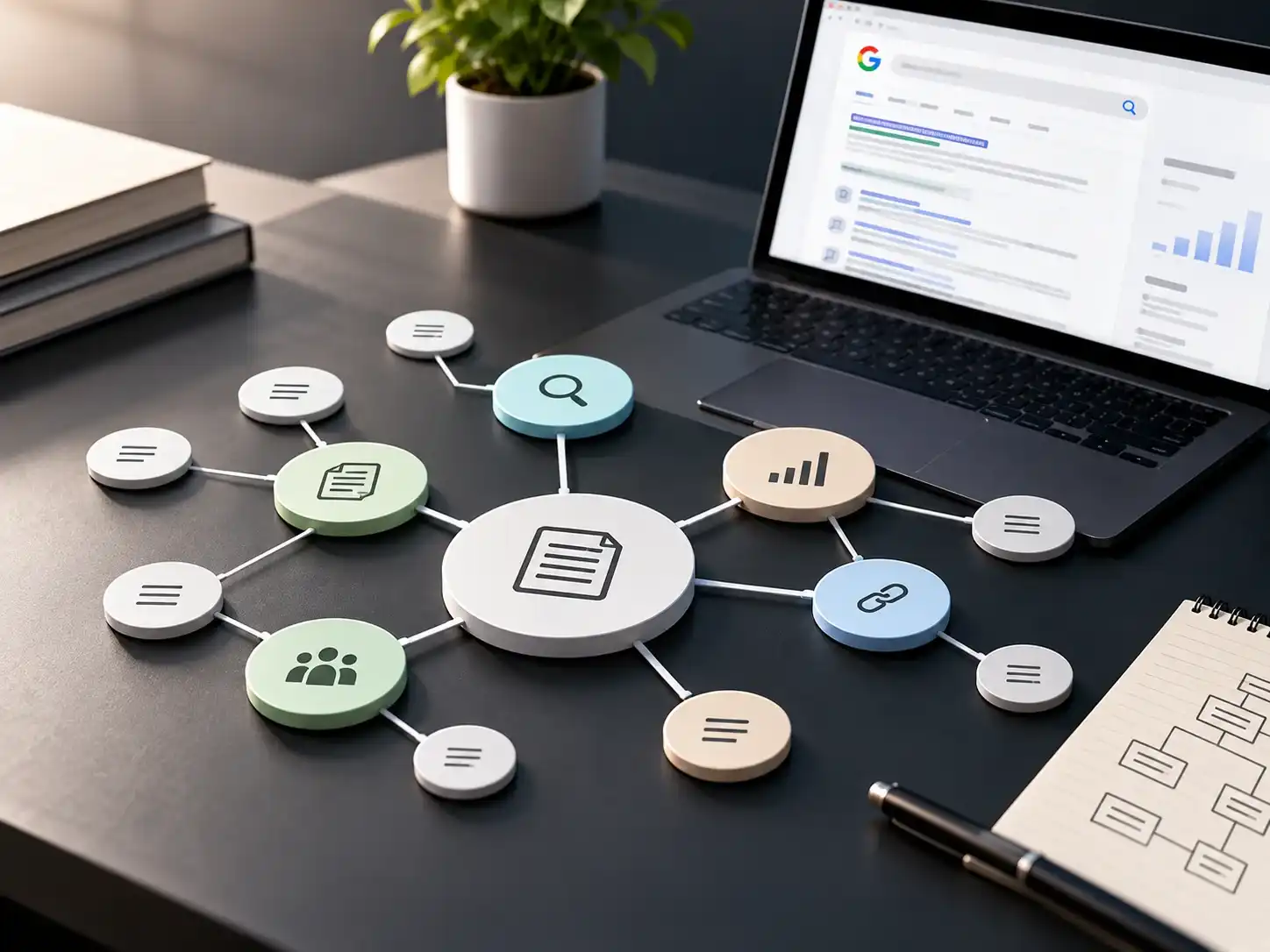
AI-powered search systems don’t just find pages—they read, interpret, and synthesize information. Here’s what happens behind the scenes:
The evolution of search is being driven by a few major platforms:
A zero-click search occurs when a user types a query, gets the answer directly on the results page, and leaves without clicking any link. The search is resolved before a single website is visited.
This creates a core challenge for zero-click SEO: your content may power the answer, but the user never reaches your site.
This shift in search behavior is driven by three key factors:
Consider how intent changes user behavior:
The first query falls into zero-click territory, while the second still drives traffic—because it requires deeper exploration and evaluation.
Traditional SEO operated on a simple premise: rank higher, get more traffic. A top-three position in Google Search almost guaranteed consistent clicks. Content was created to rank, and rankings translated directly into visits.
In the AI-powered search era, visibility and clicks have separated. Your content can power an AI Overview or featured snippet—and still receive zero visits. The goal is no longer just ranking position, but being visible within AI-generated answers.
This shift highlights a core challenge in the future of SEO: how do you measure success when visibility no longer guarantees a click?

The most immediate impact of AI-powered search on SEO is the decline in organic traffic across industries. Informational content—once the backbone of content marketing—is now often answered directly by AI before users ever reach your site.
Even pages that rank well are seeing declining click-through rates (CTR). When an AI Overview or featured snippet answers the query at the top of the page, most users don’t scroll further. Studies show that AI-generated answers can reduce CTR on top-ranking results by 20–60%, depending on the query.
Businesses that relied heavily on high-volume informational keywords are seeing reduced returns—not because their SEO is ineffective, but because the search landscape has changed. Strong rankings no longer guarantee consistent traffic, making this one of the biggest challenges in the future of SEO.
Questions like “What is a UTM parameter?” or “How does compound interest work?” are now answered instantly through AI-generated responses on Google Search. The user reads the summary and leaves—without clicking. Your content may be the source, but it receives no visits.
AI Overviews now combine information from multiple blogs into a single, concise response. Even a well-optimized 2,000-word article can be summarized into a few lines—removing the need for users to click through to the full content.
Not all searches result in zero clicks. Some query types continue to drive meaningful traffic because they require deeper evaluation:
These searches involve analysis, context, and decision-making—things AI summaries cannot fully replace.
As zero-click SEO reshapes the landscape, users are more selective with clicks—seeking depth, trust, and decision-making clarity, making content creation more important than ever. These are areas where AI summaries still fall short.
Comprehensive guides offer detailed explanations, structure, and step-by-step clarity. While AI can summarize topics, it can’t replace the full context and depth that users often look for when they want to truly understand something.
Real results, data, and specific examples build credibility. Case studies work because they show what actually happened, not just what should happen—something AI-generated answers can’t replicate.
Expert insights, opinions, and commentary provide unique viewpoints. AI can summarize information, but it can’t replace a strong, credible voice with real experience behind it.
When users are deciding between options, they need detailed comparisons and context. This type of content supports decision-making, which encourages clicks beyond what a simple summary can offer.
Adapting your search engine optimization strategy to AI-generated search results doesn’t mean abandoning SEO—it means evolving it into a more content-first, user-centric approach. Instead of focusing only on rankings, the goal now is to create content that is both useful for users and easily understood by AI systems.
Being cited in an AI Overview is the new version of ranking #1—it builds visibility even when clicks are limited.
Move beyond surface-level keywords and understand why someone is searching. Are they looking to learn, compare options, or make a decision? Content that directly matches user intent performs better because it aligns with what both users and AI systems prioritize.
Rewriting existing information is no longer enough. AI can easily summarize common content, so your focus should be on adding value through original research, real experiences, unique examples, and expert insights that cannot be easily replicated.
Trust plays a major role in whether users click on your content. When people recognize your brand in search results, they are more likely to engage—even if an AI answer is already present. Consistent, credible content across platforms strengthens your authority over time.
Relying only on organic search is risky in a zero-click environment. Build multiple traffic channels to stay resilient—an approach that aligns closely with broader creative digital marketing strategies.

These are adaptive strategy actions you can implement now:
These are adaptive strategy actions you can implement now:
AI search isn’t a future concern—it’s already reshaping how users interact with content and how businesses measure digital success.
Here’s what matters most:
Those who adapt early will lead in the AI-driven search landscape. The shift has already happened—the only question is whether your strategy reflects where search is today, or where it was three years ago.
AI search is a search experience where artificial intelligence synthesizes information from multiple sources and delivers a direct answer on the results page—rather than a list of links. Platforms like AI Overviews, ChatGPT, and Bing Copilot are leading examples.
A zero-click search occurs when a user gets their answer directly on the SERP without clicking any link. It is driven by features like AI Overviews, featured snippets, and knowledge panels.
Yes—but it has evolved. The focus has shifted from chasing rankings to building authority, matching search intent, and creating content that both users and AI systems trust.
If your rankings remain stable but traffic is declining, AI-generated search results may be summarizing your content directly on the SERP—reducing the need for users to click. This drop in organic traffic is a common outcome of zero-click search.
Focus on creating unique, intent-driven content that AI cannot replicate, build brand recognition to improve click-through behavior, and diversify traffic beyond organic search.
Our team will answer all your questions, We ensure a quick response.