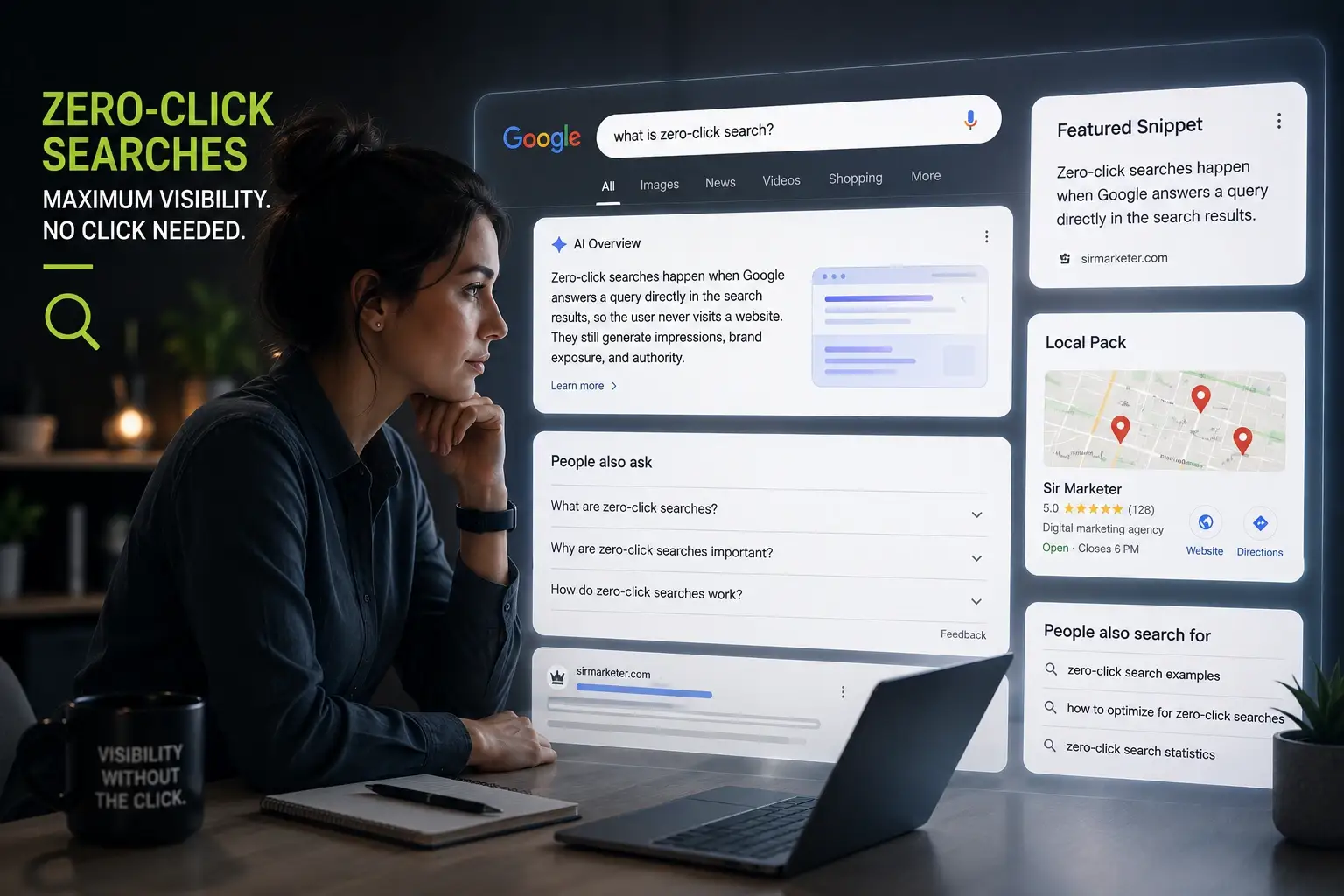
Healthcare marketing looks nothing like it did a decade ago. Patients no longer wait for a referral or flip through a phone book to find a provider; they search online, read reviews, compare services, and research symptoms before ever picking up the phone. This shift has changed what it means to market a medical practice effectively.
Trust has become the currency of healthcare decision-making. Patients want to know that a provider understands their concerns, communicates clearly, and has genuine expertise before they schedule an appointment. This is exactly where content marketing comes in. Instead of interrupting patients with promotional messages, content marketing meets them where they already are: searching for answers.
For medical practices, dental offices, specialty clinics, and hospitals alike, a well-executed content strategy does more than fill appointment books. It builds a reputation, educates the community, and creates a lasting digital presence that continues working long after a single piece of content is published. This guide breaks down exactly how healthcare organizations can build that kind of strategy in 2026.

Content marketing for medical practices is the practice of creating and sharing valuable, relevant, and educational material to attract, engage, and retain patients. This can include blog articles, service pages, videos, patient guides, and more, all designed to answer real questions patients are asking.
It differs from traditional advertising in a fundamental way. Traditional ads interrupt; content marketing informs. A billboard or radio spot might announce that a practice exists, but it rarely explains what a patient should expect from a procedure, how to prepare for a visit, or what symptoms warrant a call to the doctor. Content marketing fills that gap.
Education-based marketing works particularly well in healthcare because medical decisions are rarely made on impulse. Patients research conditions, treatment options, and providers extensively before committing. A practice that consistently shows up with helpful, accurate information becomes the natural choice when that patient is ready to book.
The benefits flow in both directions. Patients get accessible, trustworthy information that helps them make better health decisions. Practices build authority, improve their online visibility, and create a resource library that continues to attract and inform patients over time.
Building patient trust. When a practice consistently publishes accurate, helpful information, it signals competence and care. Patients are more likely to choose a provider who has already answered their questions than one who is a complete unknown.
Improving online visibility. Search engines favor websites that consistently publish high-quality, relevant, and well-organized content. A practice with a thin, static website will struggle to compete with one that actively addresses the questions patients are searching for.
Patient education. Many patients arrive at appointments with misinformation gathered from unreliable sources. Educational content produced by the practice itself helps set accurate expectations before the patient ever walks through the door.
Reputation management. A strong body of content, paired with genuine patient reviews and transparent communication, helps shape how a practice is perceived, both by prospective patients and by search engines evaluating credibility.
Better search rankings. Consistent, high-quality content signals relevance and authority to search engines, which can improve visibility for the specific services and conditions a practice treats.
Long-term marketing ROI. Unlike paid ads that stop generating traffic the moment the budget runs out, content continues to attract visitors for months or years after publication, making it one of the more cost-effective long-term marketing investments available to healthcare organizations.
A well-executed content strategy delivers value across the entire patient journey:
These benefits compound over time. A single well-optimized guide can continue attracting new patients for years, something a one-time advertisement simply cannot do.
Different formats serve different purposes throughout the patient journey. A strong strategy typically uses a mix of the following:
Content Type |
Content Type |
|---|---|
Educational blog posts
|
Answering common patient questions, targeting search intent, building topical authority
|
Service pages
|
Clearly explaining specific treatments, procedures, or specialties offered
|
Patient guides
|
Walking patients through preparation, recovery, or what to expect
|
FAQs
|
Addressing quick, common concerns in a scannable format
|
Videos
|
Demonstrating procedures, introducing providers, building personal connection
|
Infographics
|
Simplifying complex medical information into shareable visuals
|
Email newsletters
|
Nurturing existing patients with updates, reminders, and health tips
|
Case studies
|
Showcasing practice expertise (with proper consent and privacy safeguards)
|
Patient success stories
|
Building emotional trust through real (consented) experiences
|
Social media content
|
Extending reach, humanizing the practice, driving traffic back to the site
|
Downloadable resources
|
Capturing leads through checklists, guides, or prep sheets
|
Educational blog posts and service pages tend to carry the most SEO weight, while videos and social content are often more effective for engagement and brand personality. Newsletters and downloadable resources work best for nurturing patients who have already engaged with the practice.
A sustainable content strategy follows a clear, repeatable process:
Quick-Start Checklist:
Improving search visibility involves more than creating useful content; it also requires organizing that content in a way that both search engines and patients can easily discover and understand. Key practices include:
Medical content carries a higher standard of responsibility than most other industries. A few core principles should guide every piece of content a practice publishes:
This guide is provided for educational and informational purposes only and should not be interpreted as legal advice.Practices should work with qualified professionals to review compliance obligations specific to their situation.
Even well-intentioned practices can undermine their own efforts. Common pitfalls include:
Avoiding these mistakes is often just as important as executing the strategy itself.
Tracking the right metrics helps practices understand what’s working and where to adjust. Key indicators include:
Reviewing these metrics regularly, rather than only at the end of a campaign, allows practices to refine their strategy continuously.
Building and sustaining an effective content strategy takes more than good writing. It requires ongoing strategic planning, technical SEO knowledge, compliance awareness, and consistent execution- resources that many practices simply don’t have in-house.
A healthcare-focused digital marketing agency brings structured strategy development, ensuring content aligns with both patient needs and business goals rather than being produced ad hoc. On the technical side, an experienced partner understands the SEO nuances specific to healthcare, from schema markup to local search optimization for multi-location practices.
Content creation is often where practices struggle most, not because they lack expertise in medicine, but because consistently producing accurate, engaging, patient-facing content requires dedicated time and specialized writing skills. An agency familiar with healthcare compliance can help bridge that gap, producing content that’s both effective and appropriately reviewed.
Finally, ongoing analytics and reporting allow a practice to see what’s actually working, rather than guessing. The result is a content strategy built for long-term, sustainable growth rather than short-term spikes in traffic that fade once attention moves elsewhere.
Content marketing isn’t a quick fix,it’s a long-term investment in how a practice is perceived, discovered, and trusted. Patients today expect to find answers before they ever pick up the phone, and practices that consistently provide those answers position themselves as the natural choice for care.
The practices that see the strongest results are the ones that stay consistent: publishing regularly, prioritizing genuine patient education over promotion, and refining their approach based on real performance data over time. Content marketing rewards patience and consistency far more than it rewards perfection.
If your practice is ready to build a content strategy that attracts patients, builds trust, and supports sustainable growth, now is the time to start, one well-crafted, patient-focused piece of content at a time.
It's the practice of creating educational, patient-focused content, such as blog posts, guides, and videos, to build trust, improve online visibility, and attract patients organically rather than through traditional advertising alone.
Patients research extensively before choosing a provider. Content marketing meets them during that research phase, building trust and visibility long before an appointment is ever booked.
Consistency matters more than frequency. A realistic, sustainable schedule, whether weekly or monthly, tends to outperform sporadic bursts of publishing followed by long gaps.
Yes. Strong SEO practices help a practice's website appear when patients search for relevant conditions, treatments, or providers in their area, driving organic, ongoing traffic.
Educational blog posts and clear service pages tend to perform strongly for search visibility, while videos and patient stories are especially effective for building trust and engagement.
Content marketing is a long-term strategy. Meaningful results typically build gradually over several months as content accumulates and search authority grows.
Many practices benefit from partnering with an experienced healthcare marketing agency, particularly for strategy, SEO, and compliance-aware content creation, freeing up internal teams to focus on patient care.
Success is typically measured through metrics like organic traffic, keyword rankings, engagement, conversion rates, appointment requests, and overall return on investment.
Our team will answer all your questions, We ensure a quick response.