
More traffic to your website means more eyeballs, more leads, and ultimately more revenue. But in 2026, simply “being online” isn’t enough. Google processes approximately 8.5 billion searches every single day — and if your website isn’t showing up in those results, your competitors are capturing the customers you should be winning.
Whether you’re running a small business, managing an e-commerce store, or growing a personal brand, understanding how to increase website traffic is one of the highest-leverage skills you can develop. This guide breaks down 25 proven, actionable website traffic strategies — covering everything from SEO fundamentals to social media, email, and paid media.
Let’s get into it.

Traffic isn’t just a vanity metric — it’s the engine of digital business growth. More qualified visitors to your website means:
The key word here is qualified. Ten thousand irrelevant visitors are worth less than five hundred highly targeted ones. Every strategy in this guide is designed to attract visitors to your website who actually want what you’re offering.
Before diving into tactics, it’s worth understanding the mechanism. Search engines like Google crawl, index, and rank billions of pages based on hundreds of signals — including relevance, authority, and user experience.
When someone types a search query, Google evaluates which pages best satisfy that intent and surfaces them in search results. Pages ranked in positions 1–3 capture the majority of clicks. This is why search engine optimization (SEO) remains the single most powerful way to drive consistent, compounding organic traffic growth — and why it’s the backbone of this guide.
Everything in SEO starts with keyword research. You need to understand exactly what your target audience types into search engines before you create a single piece of content.
What to look for:
Tools to use: Google Keyword Planner, Ahrefs, Semrush, Moz
Competitor analysis and content gap analysis are equally powerful. Identify which keywords your competitors rank for that you don’t — those gaps represent untapped traffic opportunities. This is one of the most effective (and underused) website traffic tips available.
Ranking for a keyword means nothing if your content doesn’t match why someone searched it. Search intent optimization — aligning your content with the reason behind a query — is what separates pages that rank from pages that convert.
There are four primary intent types:
Intent Type |
Example Query |
Best Content Format |
|---|---|---|
Informational
|
"how to increase website traffic"
|
Blog post, guide
|
Navigational
|
"Ahrefs login"
|
Homepage, landing page
|
Commercial
|
"best SEO tools 2026"
|
Comparison article
|
Transactional
|
"buy SEO audit service"
|
Product/service page
|
Map your content to the right intent and you’ll see improved click-through rates and dwell time — two signals Google uses to validate ranking decisions.
On-page SEO is the process of optimizing individual pages to rank higher. Done well, it compounds over time and is one of the best free ways to increase traffic to your website.
Core on-page SEO elements:
One quick win: audit your existing pages for missing or duplicated title tags. This alone can generate measurable improvements in search rankings within weeks.

Technical SEO ensures search engines can find, crawl, and index your site without friction. If Google can’t read your pages, no amount of great content will generate organic traffic growth.
Key technical SEO priorities in 2026:
Use Google Search Console (free) to identify crawl errors and indexing issues before they tank your traffic numbers.
One of the most powerful (and underutilized) ways to increase website traffic is to create content that stays relevant for years, not days. This is the foundation of blogging for traffic — and it’s where content marketing for traffic really earns its reputation.
Evergreen content examples:
Unlike news articles, evergreen content compounds. A post you publish today can drive consistent traffic to your website for three to five years with minimal maintenance. Pair it with a strong internal linking strategy and periodic content refreshes, and you have a traffic machine.
Backlinks — links from external websites pointing to yours — remain one of Google’s strongest ranking signals. More high-quality backlinks mean higher authority, better google rankings, and more organic search traffic.
Proven link building strategies:
Focus on authority building through relevance and quality, not volume. Ten backlinks from high-authority, niche-relevant domains outperform one hundred links from low-quality directories.
Featured snippets — the answer boxes that appear above organic results — represent “position zero” in Google’s search results. Capturing a snippet can double your click-through rate for a given keyword.
How to optimize for featured snippets optimization:
Focus on authority building through relevance and quality, not volume. Ten backlinks from high-authority, niche-relevant domains outperform one hundred links from low-quality directories.
Google Search Console is a free, indispensable tool for anyone serious about SEO for website traffic. It shows you:
Pro tip: Filter by queries where you rank in positions 8–20. These are the pages closest to page one — a few targeted optimizations can push them into top-five positions and dramatically increase traffic to your website.
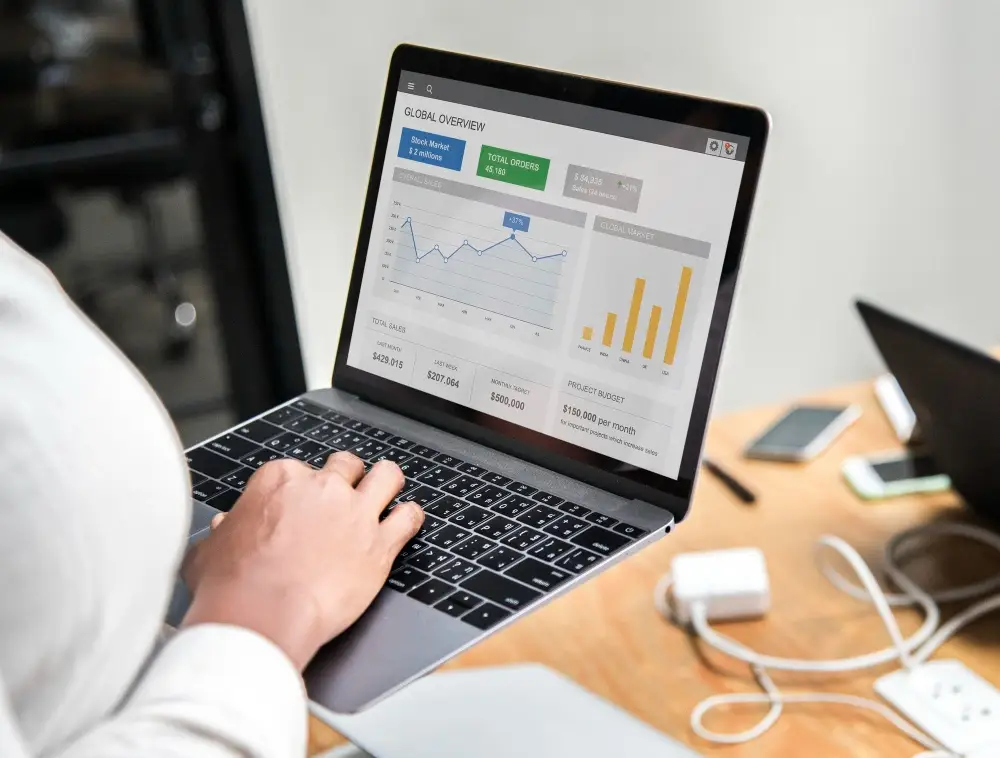
You can’t improve what you don’t measure. Google Analytics (GA4) tracks traffic sources, user behavior, and website engagement metrics so you know exactly what’s working and what isn’t.
Key metrics to monitor:
Metric |
Why It Matters |
|---|---|
Traffic sources
|
Understand where visitors come from
|
Bounce rate
|
Identify pages failing to engage users
|
Session duration
|
Gauge content quality and relevance
|
Conversion rate
|
Measure traffic quality, not just quantity
|
Pages per session
|
Assess internal linking effectiveness
|
Connect Google Analytics to Google Search Console for a complete picture of your organic traffic performance.
Social media traffic won’t replace SEO, but it’s one of the fastest ways to amplify content reach — especially for a new website that hasn’t yet built domain authority.
Platform strategy by goal:
Using social media strategically means showing up on platforms where your audience already lives. Content shared on social media also generates backlinks and signals that can indirectly support SEO.
Your email list is the one audience you fully control and own. Unlike social platforms, no algorithm change can cut off your access to subscribers — making email marketing traffic one of the most reliable and cost-effective ways to drive traffic back to your site.
Best practices:
Even a modest list of 1,000 engaged subscribers can consistently send hundreds of visits per send.
Video is the dominant content format of 2026. If you’re not repurposing your written content into video, you’re leaving substantial YouTube traffic — and broader discovery — on the table.
How to repurpose content effectively:
Video marketing extends your content’s lifespan and creates multiple traffic entry points. A single well-optimized YouTube video can drive visitors to your website for years.
Organic traffic growth takes time. If you want to drive traffic to your website faster — especially for a product launch or time-sensitive promotion — paid traffic strategies can fill the gap.
Top paid channels:
Paid ads to drive traffic work best when landing pages are optimized for conversion. Driving paid traffic to a generic homepage is among the costliest mistakes you can make. Pair paid media with conversion rate optimization for maximum ROI.
Getting traffic to your site is only half the battle. If visitors leave right away, that traffic is essentially wasted. Optimizing your landing page experience is critical to making every visit count.
How to reduce bounce rate and improve dwell time:
Strong user experience SEO signals — time on page, pages per session, low bounce rate — also feed back into organic rankings. Great UX isn’t just good for users; it’s good for search engines.
For businesses serving specific geographic areas, local SEO traffic represents one of the most valuable and underutilized opportunities available.
Local SEO essentials:
Small business website traffic is often dominated by local search — particularly “near me” queries. Showing up in the local pack can generate more leads than ranking organically for broad terms.
An SEO audit is a systematic review of your website’s health. Running one every quarter helps you catch issues before they damage your rankings and surface content opportunities you’re missing.
What a thorough SEO audit covers:
Tools like Screaming Frog, Ahrefs Site Audit, and Semrush Site Audit automate much of this process. The insights from a single audit can generate months of prioritized optimization work.
Even experienced marketers make these errors. Avoid them and you’ll grow faster:
Tools like Screaming Frog, Ahrefs Site Audit, and Semrush Site Audit automate much of this process. The insights from a single audit can generate months of prioritized optimization work.
The landscape has shifted. Here’s what’s working best right now:
Strategy |
Time to Results |
Cost |
Traffic Potential |
|---|---|---|---|
SEO + Content Marketing
|
3–12 months
|
Low–Medium
|
Very High
|
Google Ads
|
Immediate
|
High
|
High
|
Email Marketing
|
Immediate
|
Low
|
Medium
|
Social Media
|
1–3 months
|
Low
|
Medium–High
|
Link Building
|
3–6 months
|
Medium
|
Very High
|
YouTube / Video
|
2–6 months
|
Low–Medium
|
High
|
Local SEO
|
1–3 months
|
Low
|
High (local)
|
The best ways to increase website traffic in 2026 combine sustainable organic strategies with targeted paid amplification for time-sensitive goals.
Honest answer: it depends. Here’s a realistic timeline:
Paid ads can generate traffic the same day you launch. But only organic SEO and content marketing deliver traffic can increase month over month without proportional cost increases.

Knowing these website traffic strategies is one thing. Executing them consistently, while running a business, is another.
A specialized digital marketing agency like Sir Marketer brings:
If you want to increase traffic to your website without spending years climbing the learning curve, partnering with an experienced agency is often the fastest path to meaningful, measurable growth.
Get a free SEO audit →
Increasing website traffic isn’t a one-time project — it’s an ongoing investment in your business’s digital foundation. The most effective websites integrate several approaches: SEO driven by keyword insights and technical best practices, helpful content that addresses user needs, authority-building backlinks, and smart promotion through email and social platforms.
Start where you are. Audit your existing site, fix technical issues, identify your best keyword opportunities, and publish content that genuinely serves your audience. Then build from there.
The businesses that attract the most visitors to their website in 2026 won’t be the ones with the biggest budgets — they’ll be the ones who show up consistently, optimize relentlessly, and treat every visitor as a potential relationship.
Want expert help implementing these strategies? Our digital marketing team has helped businesses across industries achieve sustainable, measurable organic traffic growth. From technical SEO to full-scale content marketing, we build traffic systems that compound over time.
Schedule your free strategy call today →
Paid ads (Google Ads, Facebook Ads) can drive traffic the same day. For free strategies, optimizing existing pages for search intent and promoting content on social media platforms delivers the quickest organic wins.
Focus on SEO for website traffic: keyword research, on-page optimization, creating evergreen content, building backlinks, and promoting through email and social media. These are the most effective free tools available to any business owner.
Most websites begin seeing meaningful organic traffic growth between 3–6 months of consistent effort. Competitive niches may take 12+ months to achieve significant rankings.
Long tail keywords are specific, multi-word search phrases (e.g., "how to increase website traffic for small business"). They have lower competition and higher purchase intent — making them ideal for attracting targeted visitors to your website.
There's no magic number. Quality matters far more than quantity. A handful of backlinks from highly authoritative, relevant websites will outperform hundreds of links from low-quality sources.
Yes, particularly LinkedIn for B2B businesses and Pinterest for visual niches. Social media platforms are excellent for content distribution and referral traffic, though they should complement rather than replace SEO.
It depends on the page type. Blog posts typically see 70–90% bounce rates; landing pages should aim for under 60%. Focus on improving dwell time and click-through to other pages to signal engagement to Google.
Google Analytics shows you exactly where your visitors come from — organic search, social, email, referral, and paid. Use this data to double down on what's working and fix what isn't.
Not strictly, but blogging for traffic remains one of the highest-ROI content strategies available. Regular, high-quality blog content gives you more pages to rank, more internal linking opportunities, and more value to share across email and social channels.
Organic traffic comes from unpaid search results — earned through SEO and content marketing. Paid traffic comes from ads. Organic traffic is free to receive (but costs time and effort to build), compounds over time, and is generally more trusted by users.
Table of content


Our team will answer all your questions, We ensure a quick response.


10. Leverage Social Media Traffic