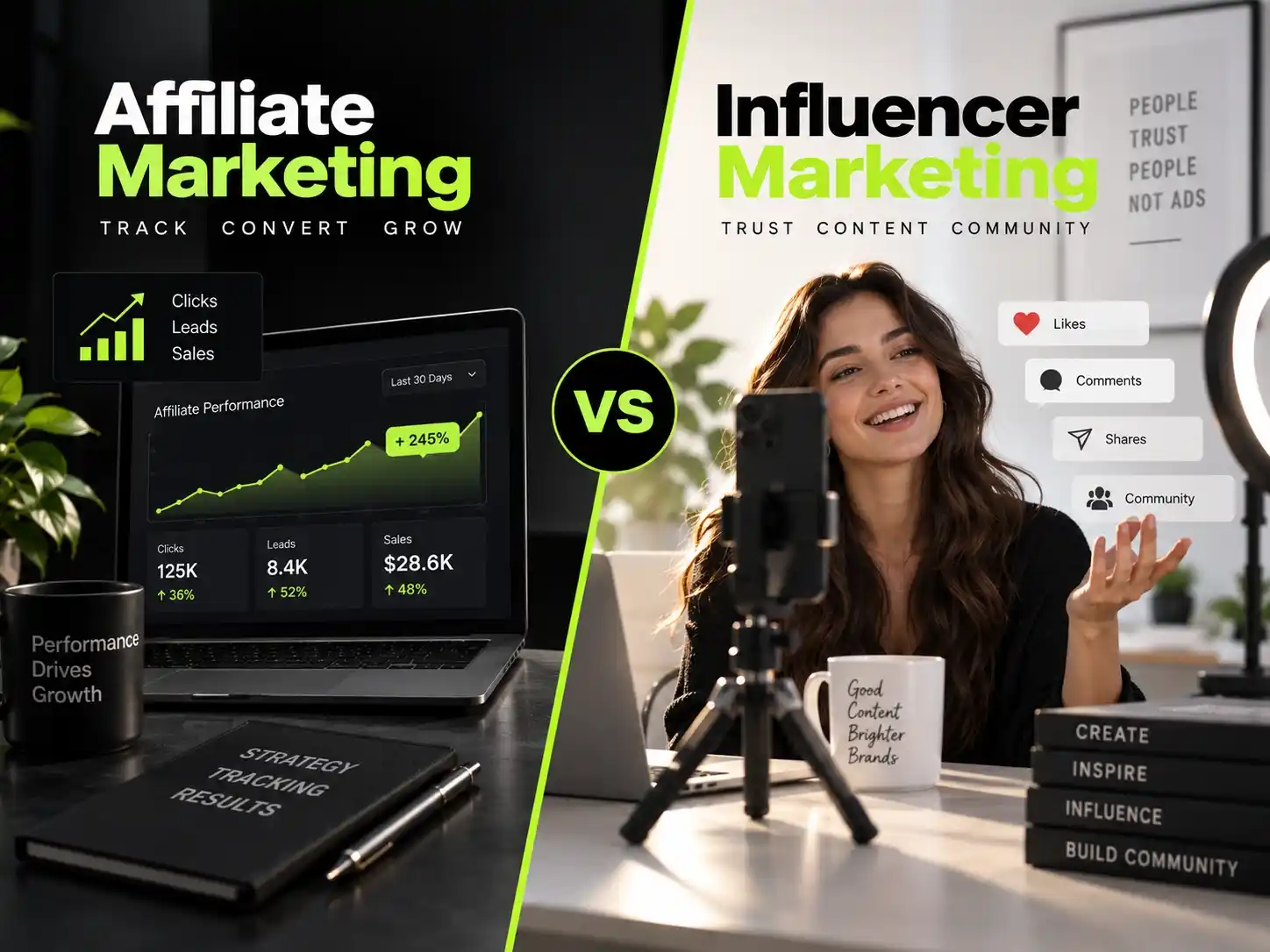
Every day, marketing teams often spend hours on repetitive work—resizing creative assets, following up for approvals, reposting the same content across multiple channels, and manually trying to maintain brand consistency that isn’t always followed. The result? Inconsistent branding across channels, slower campaign cycles, and a brand that looks and feels slightly different depending on who created the content.
Brand automation changes that entirely.
By combining intelligent workflows, AI-powered branding systems, and purpose-built brand automation software, modern marketing teams can deliver consistent brand experiences at scale — without sacrificing creativity or the human touch that makes brands genuinely connect.
This guide explains all the essential information you need:
Brand automation refers to the use of technology, software, and AI systems to manage, create, distribute, and monitor brand assets and messaging with minimal manual intervention.
At its core, automated branding ensures that every piece of content — from a social media graphic to an email campaign — consistently reflects your brand’s visual identity, voice, and standards, regardless of who produced it or which channel it appears on.
There are several related concepts worth distinguishing:
Together, these disciplines form the backbone of a modern brand automation platform — a connected ecosystem where your brand runs more efficiently, more consistently, and at greater scale than manual processes could ever achieve.
Understanding how brand workflow automation operates in practice helps teams choose the right tools and design the right processes.
At the foundation sits digital asset management (DAM) — a centralized repository for all brand assets including logos, fonts, templates, photography, videos, and copy guidelines. Automation layers on top of DAM systems allow assets to be tagged, retrieved, versioned, and distributed automatically based on predefined rules.
When a team member requests a new campaign asset, brand asset management automation can pull the correct logo variant, apply the right color palette, and populate a template with approved imagery — all without a designer needing to intervene for routine requests.
One of the biggest time sinks in brand management is the approval cycle. Brand approval workflows automate the routing of assets through the correct review stages — legal, brand, regional leads — and trigger notifications, deadlines, and escalations automatically. Nothing goes live without the right sign-off, and nothing sits idle in someone’s inbox for days.
Modern brand automation increasingly relies on AI-powered engines that can generate content variations, check assets for brand compliance, resize creative for different placements, and even suggest copy aligned with your brand voice. These systems learn your brand standards and enforce them at scale without requiring manual review of every output.
Campaign automation connects your brand assets, audience data, and distribution channels into unified workflows. Once configured, campaigns launch, rotate, personalize, and report without daily hands-on management — freeing your marketing team to focus on strategy rather than execution.
Inconsistent branding is more costly than most organizations realize. Research consistently shows that consistent brand presentation across all channels can increase revenue significantly — and that inconsistent branding erodes the trust that takes years to build.
When your brand looks and feels different on LinkedIn than it does in email, on your website, or in paid ads, customers notice — even if they can’t articulate why. Brand consistency across channels builds trust, improves recognition, and makes every marketing touchpoint more effective.
Brand consistency automation removes the human error that creates drift. Templates enforce layouts. Tone-of-voice checkers flag off-brand copy. DAM systems ensure only approved assets are available for use.
As organizations grow — adding new team members, agencies, regions, and channels — maintaining brand integrity manually becomes impossible. A single set of brand guidelines stored in a PDF that nobody reads is not a governance strategy. Automation embeds those guidelines directly into the tools your teams use every day.
For example, Patagonia’s value of environmental responsibility is not just marketing. It shows up in their supply chain, their repair programs, and their campaigns.
A well-designed brand automation platform typically includes the following integrated components:
Component |
Function |
|---|---|
Digital Asset Management (DAM)
|
Central storage, retrieval, and distribution of approved brand assets
|
Brand Templates
|
Locked design frameworks that teams can customize within defined parameters
|
Automated Content Creation
|
AI-assisted generation of on-brand copy, imagery, and creative variants
|
Campaign Automation
|
Multi-channel campaign scheduling, targeting, and optimization
|
Brand Analytics Automation
|
Real-time performance tracking and brand health monitoring
|
CRM Integration
|
Alignment of brand messaging with customer data and journey stages
|
Approval Workflows
|
Automated routing of assets through review and compliance processes
|
Not every platform includes all of these out of the box. Many organizations use a connected stack of specialized tools that integrate via APIs to create a unified brand automation platform tailored to their specific needs.
The most significant shift in brand management over the past two years has been the arrival of capable, practical AI branding tools. AI is transforming how brands create, adapt, and scale content — and the pace of change is accelerating.
AI-powered branding tools can now:
Generative AI for branding goes beyond simple template population. Large language models trained on your brand voice can draft campaign messaging, product descriptions, and thought leadership content that genuinely sounds like your brand — not a generic AI output.
Paired with visual AI tools, teams can produce entire campaign asset suites in the time it previously took to brief a designer on a single deliverable.
Dynamic creative optimization (DCO) is where AI-powered brand automation delivers some of its strongest returns in paid media. DCO systems automatically assemble and test thousands of creative combinations — headline, visual, CTA, audience segment — and serve the highest-performing variants in real time. The brand stays consistent while performance improves continuously through automated testing.

The case for investing in automated branding is compelling across every business function:
Operational efficiency
Automation helps teams reduce manual marketing tasks dramatically — asset resizing, scheduling, reporting, compliance checking.
Consistency and quality
Automated systems maintain brand consistency across channels by enforcing templates, tone guidelines, and asset standards at the point of creation, not as an afterthought.
Speed to market
When workflows are automated, campaign cycles compress. What took two weeks can happen in two days. Increase brand efficiency is not an abstract goal.
Brand scalability
Perhaps the most important benefit: brand scalability. Automation allows organizations to expand into new markets, channels, and audience segments without proportionally scaling their team size.
Reduced risk
Automated approval workflows and brand compliance tools reduce the risk of off-brand, legally problematic, or reputationally damaging content reaching your audience.
Here is how leading organizations are applying automation to core brand and marketing functions:
Social media automation for brands covers scheduling, publishing, community management triggers, and performance reporting. Brands can publish consistently across platforms, maintain brand voice, and never miss a posting window — even with lean teams.
Email marketing automation sequences triggered by customer behavior — sign-up, purchase, inactivity — ensure that every touchpoint reinforces brand messaging while delivering relevant, personalized communication. Connected to CRM data, these sequences become powerful tools for brand-building and revenue generation simultaneously.
Editorial teams use content scheduling automation to plan, approve, and publish content calendars weeks in advance. Integrated with DAM systems, the right assets are attached automatically, and posts go live on schedule across all channels without manual publishing.
Reputation management automation monitors brand mentions, review platforms, and social conversations in real time. Automated alerts route responses to the right team members, ensuring the brand responds quickly and consistently to both positive feedback and negative sentiment.
Multichannel brand automation — and its more sophisticated counterpart, omnichannel marketing automation — coordinates brand messaging and creative across paid, owned, and earned channels simultaneously. The brand message stays coherent whether a customer encounters it through a Google ad, an email, a social post, or a blog article.
The market for brand automation software has matured significantly. Here is an overview of the main categories and what to look for in each:
Creative automation software like Celtra, Bynder Studio, and Smartly.io enables marketing teams to produce thousands of on-brand creative variants from master templates — across formats, sizes, and markets — without individual designer involvement. Look for tools that integrate directly with your DAM and media buying platforms.
DAM software for brands — including Bynder, Canto, Brandfolder, and Widen — provides the asset repository foundation that all other automation depends on. Prioritize platforms with strong metadata tagging, brand portal functionality, and API integrations.
Platforms like HubSpot, Marketo, and ActiveCampaign handle marketing workflow automation for email, lead nurturing, customer journey automation, and CRM integration. These are essential for connecting brand messaging to revenue-generating workflows.
AI branding tools including Jasper, Writer, and Copy.ai (with brand voice training) allow teams to generate on-brand copy at scale. For visual AI, Canva’s AI features, Adobe Firefly, and purpose-built platforms like Pencil focus on automated ad creative and image generation within brand guidelines.
Enterprise-grade platforms like Frontify and Lucidpress (now Marq) function as living brand guidelines systems — part brand portal, part template engine, part brand governance tool. These are particularly valuable for organizations with multiple teams, agencies, or regional offices working with existing brand and marketing assets.
A practical, step-by-step approach to how to implement brand automation successfully:
Before automating anything, conduct a thorough audit. Identify what brand assets exist, where they live, which versions are current, and where inconsistencies have crept in. This brand audit exposes the gaps that automation needs to fill.
Automation enforces the rules you define. If your brand guidelines are incomplete, outdated, or ambiguous, your automation will systematize those weaknesses. Invest in clear, comprehensive guidelines covering visual identity, tone of voice, messaging hierarchy, and approved usage before building any automated system.
Select your branding automation tools based on your team size, existing technology stack, and the specific workflows causing the most friction. Avoid buying a single monolithic platform if a connected stack of best-in-class tools serves you better.
Map each brand process — asset creation, approval, distribution, monitoring — and design automation workflows that mirror and improve those processes. Start with the highest-volume, most repetitive workflows first to achieve early wins.
Technology without adoption delivers nothing. Invest in training so that marketers and brand managers understand how to use the new tools, trust the automated outputs, and know when human judgment should override the system.
Use brand analytics and performance tracking automation to measure the impact of your automation investments. Track consistency scores, campaign cycle times, asset utilization rates, and brand sentiment. Optimize continuously based on what the data reveals.
An effective brand automation strategy is not about automating everything — it is about automating the right things in the right order, aligned with your business objectives and customer journey automation architecture.
Start by identifying your brand’s highest-friction points: Where does inconsistency appear most often? Where do campaigns slow down? Where are teams spending the most time on manual, low-judgment tasks?
Then build your automation strategy around solving those specific problems, rather than implementing technology for its own sake. Connect your automation investments to measurable business outcomes — campaign velocity, cost per asset, brand consistency scores, and ultimately revenue impact.
The strongest brand automation strategies combine system-level thinking (how all the tools connect) with human-centered design (how teams actually work) to create an automation ecosystem that genuinely serves the people using it.
Small business brand automation does not require enterprise budgets. Many of the most effective tools for smaller teams are affordable, intuitive, and quick to implement.
Start with:
The key for small businesses is to automate your brand marketing in the areas that create the most consistent problems, not to replicate enterprise systems at a fraction of the cost.
At enterprise scale, enterprise brand automation introduces additional complexity around governance, compliance, and cross-functional coordination.
Key considerations include:
Enterprise brand automation succeeds when it balances centralized control with the flexibility that regional and functional teams genuinely need to move quickly.
Even well-resourced teams make predictable mistakes when implementing automated branding. Here are the most damaging ones:

For many organizations, the fastest path to effective brand automation services is partnering with specialists rather than building entirely in-house.
A digital marketing automation agency with deep experience in brand systems can:
The best brand automation services are not about handing off control — they are about gaining a strategic partner who brings implementation expertise, tool knowledge, and real-world experience to apply brand automation to your business without the costly trial and error of building it from scratch.
Whether your goal is to maintain brand consistency across channels at global scale, compress campaign cycle times, or simply streamline brand operations for a growing team, experienced brand automation services can dramatically accelerate your results.
Brand automation is no longer a competitive advantage reserved for enterprises with eight-figure marketing budgets. In 2026, it is a foundational capability for any organization serious about building a brand that scales — one that delivers consistent brand experiences across every channel, campaign, and customer interaction.
The organizations winning on brand today are not necessarily those with the largest creative teams. They are the ones that have invested in the systems, tools, and workflows that allow their creative and strategic talent to operate at maximum leverage — automating what should be automated, and reserving human judgment for the decisions that genuinely require it.
Whether you are a marketing director looking to streamline brand operations, a CMO building a brand automation strategy for an enterprise, or a founder ready to automate your brand marketing for the first time, the path forward starts with the same step: deciding that consistent, scalable, efficient branding is worth investing in.
Brand automation is the use of software, AI, and workflow systems to manage, create, distribute, and monitor brand assets and messaging automatically — ensuring consistency, speed, and scalability across all marketing channels.
Common branding automation tools include DAM platforms (Bynder, Brandfolder), creative automation software (Celtra, Smartly.io), marketing automation platforms (HubSpot, Marketo), AI content tools (Jasper, Writer), and brand management platforms (Frontify, Marq).
Yes. AI-powered branding systems can enforce visual guidelines, check tone of voice alignment, flag non-compliant assets, and generate on-brand content variations at scale — though human oversight remains important for strategic and high-profile communications.
Absolutely. Small business brand automation can start with affordable tools like Canva Pro for templates, Buffer for social scheduling, and Mailchimp for email automation — delivering significant consistency and time-saving benefits without enterprise budgets.
Timeline varies by scope. Basic automation workflows (social scheduling, email sequences, DAM setup) can be operational within four to eight weeks. Full enterprise brand automation implementations typically take three to six months, depending on the complexity of integrations and the maturity of existing brand systems.
Marketing automation typically refers to demand generation and CRM-connected workflows — lead nurturing, email sequences, campaign management. Brand automation is broader, encompassing the systems that ensure all marketing outputs consistently reflect brand standards across every channel and format.
Key metrics include: time saved on asset production and approvals, reduction in brand compliance errors, campaign cycle time compression, increase in asset reuse rates, and ultimately the revenue impact of stronger brand consistency.
Timeline varies by scope. Basic automation workflows (social scheduling, email sequences, DAM setup) can be operational within four to eight weeks. Full enterprise brand automation implementations typically take three to six months, depending on the complexity of integrations and the maturity of existing brand systems.
Our team will answer all your questions, We ensure a quick response.