Why do some Orlando businesses generate leads daily from ads—while others burn through budget with nothing to show?
The answer isn’t the size of the budget. It’s the structure behind it.
Orlando Search Engine Marketing is one of the most controllable, high-intent forms of online advertising Orlando businesses can use today.
Unlike social media ads that interrupt users mid-scroll, search ads appear when someone is actively looking for what you offer. That difference is what makes paid search advertising so effective when structured correctly.
In this guide, you’ll learn how Search Engine Marketing Orlando businesses rely on actually works, what it costs, and which strategies drive results in 2026—along with what separates campaigns that generate real leads from those that quietly drain budget.
If you’re currently running ads—or planning to—it’s worth identifying gaps early:
A structured audit can answer these before more budget is spent.

Search Engine Marketing is the practice of running paid ads on search engines to drive targeted traffic to your website.
When someone searches for “emergency plumber Orlando” or “best dentist near me,” the results at the top—labeled Sponsored—are SEM ads.
At a practical level, SEM works like this:
You set a budget, choose keywords, write your ad, and pay only for actual clicks. It’s a direct, measurable channel—that’s the core mechanic.
These two terms are often used interchangeably. They shouldn’t be.
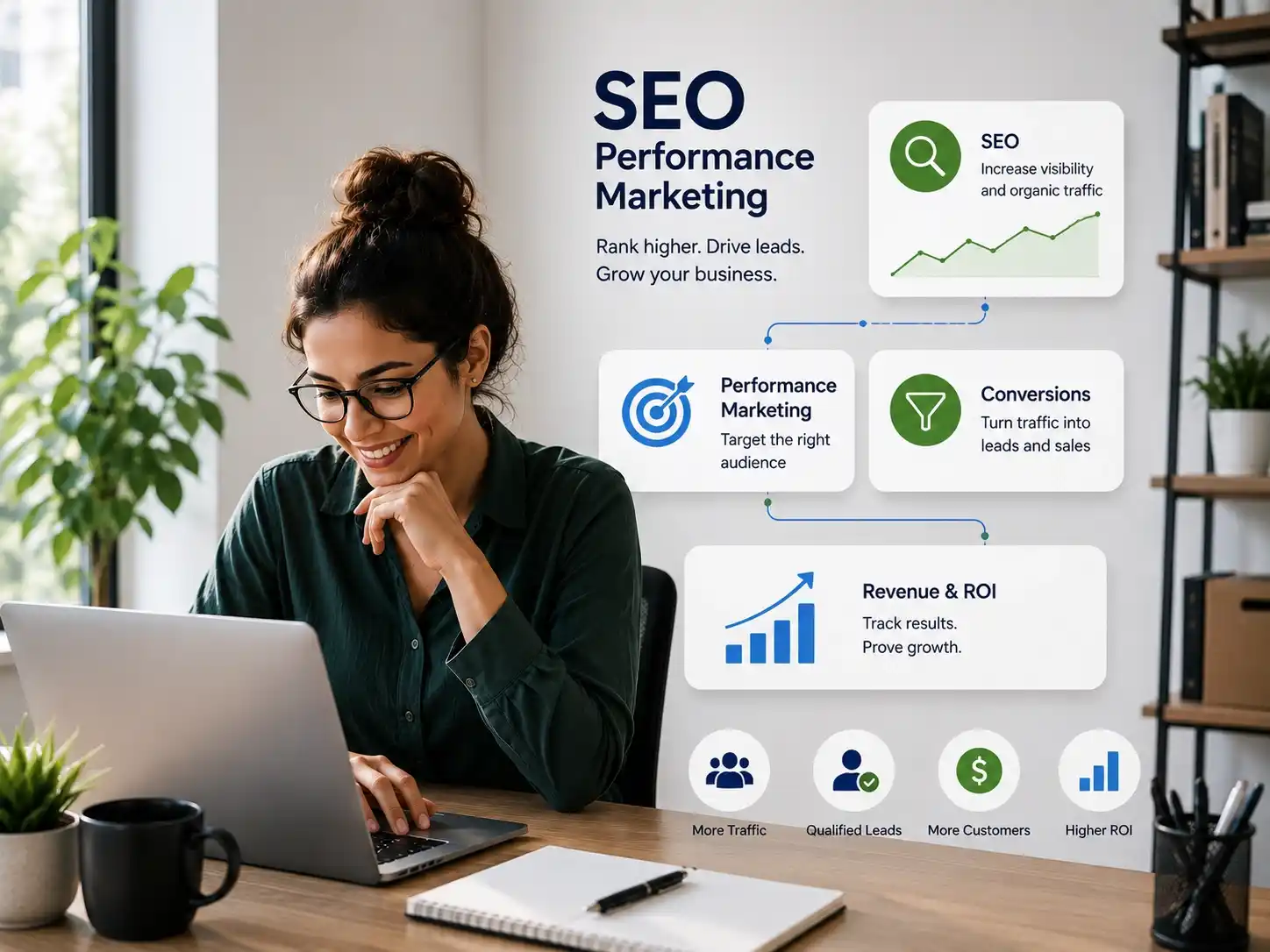
SEO builds long-term authority. SEM puts you in front of buyers immediately. For most businesses, the strongest approach combines both—but SEM delivers faster results when you need leads now.
The right mix depends on your timeline, competition, and lead goals—SEM drives immediate results, SEO builds long-term visibility, and a combined approach is often the most effective in competitive markets like Orlando.
Every time someone searches a keyword you’re targeting, an ad auction runs in milliseconds on platforms like Google Ads and Microsoft Advertising.
Your ad position depends on:
Higher quality leads to lower costs. That’s why ad campaign optimization isn’t optional—it directly impacts what you pay for every lead.
Key takeaway: In SEM, cost is not just a function of budget—it’s a function of relevance.
Orlando is a competitive market. Whether you’re in roofing, legal services, dental care, or home improvement, your customers are searching online right now. The question is: are they finding you—or your competitors?
Searches like “roof repair Orlando” or “personal injury lawyer near me” signal immediate intent. These users aren’t browsing—they’re ready to hire. This is what makes high-intent targeting so powerful.
A Facebook ad reaches people who might be interested, while a search ad reaches people already looking. That difference leads to higher conversion rates and stronger lead generation Orlando results.
Industries like roofing, HVAC, legal, dental, and home services in Orlando are highly competitive. Organic rankings can take months—or longer—to build. With PPC services in Orlando, visibility can happen within days.
Paid search advertising starts working as soon as your campaign goes live. For new businesses, seasonal campaigns, or urgent demand, SEM is the fastest path to fast lead generation.
Reality check: If your business isn’t showing up for high-intent searches, that demand doesn’t disappear—it goes directly to competitors who are.
Key takeaway: SEM captures demand the moment it exists—making it one of the most efficient channels for local growth.
Cost is the first question most businesses ask. The honest answer: it depends on your industry, competition, and campaign structure.
Cost per click (CPC) varies by industry:
These are averages. A well-optimized campaign with a strong Quality Score can significantly reduce CPC.
Business Size |
Monthly Budget |
|---|---|
Starting too small in competitive industries can limit results. A low budget may not generate enough data—or enough clicks—to optimize effectively.
The key isn’t just how much you spend—it’s whether your budget is aligned with realistic outcomes. Your investment should be sufficient to generate meaningful data, remain competitive in your industry, and optimize for return—not just cost.
ROI Expectations: Leads vs. Revenue
A click is not a lead. A lead is not a sale. Confusing these is one of the most common mistakes in search engine marketing services, Orlando campaigns.
Think in terms of measurable ROI:
Cost efficiency in SEM comes from profitable conversions—not cheap clicks.
Understanding the process helps you ask better questions, catch mistakes early, and get more from any Orlando SEM services provider you work with.

Not all keywords are equal—the key difference is intent.
For lead generation in Orlando, focus on high-intent, transactional keywords.
Key point: Intent matters more than traffic—high-intent keywords consistently drive better leads.
Your ad has limited space—every word matters.
A strong ad:
Weak copy attracts clicks. Strong copy attracts buyers.
Important: High click-through rates don’t guarantee results—misaligned messaging reduces lead quality.
Google Ads Orlando campaigns offer multiple bidding options.
Start with maximizing conversions at a controlled CPC, then shift to Target CPA as data builds.
Instead of spreading the budget evenly:
Common mistake: Even budget distribution leads to inefficiency—prioritization drives results.
Without tracking, you’re guessing.
Before launching, set up:
Real-time data enables continuous improvement.
Reality: Without proper tracking, every decision becomes assumption-driven.
Key takeaway:
SEM success comes from aligning intent, messaging, budget, and data—not just running ads.
These aren’t generic tips. These are the strategies that consistently drive results in competitive local markets like Orlando.
Bid on transactional phrases, not informational ones. “Roof replacement Orlando estimate” is worth far more per click than “how long does a roof last.”
Build your keyword list around buyer intent: service + location + urgency or qualifier.
Google Ads Orlando campaigns should target the specific neighborhoods, zip codes, or radius around your business where you actually want customers. Targeting all of Florida wastes the budget.
Local market relevance is a core lever in local SEM strategy.
Over 65% of local searches happen on mobile devices. Your ads and landing pages must load fast, display properly, and make it easy to call or fill out a form on a phone screen.
Mobile-first isn’t optional in 2026.
Google rewards relevance. If your keyword, ad copy, and landing page all speak to the same specific intent, your Quality Score rises—and your cost per click (CPC) drops.
This alignment is the foundation of performance optimization in SEM.
Negative keywords prevent your ads from showing on irrelevant searches. If you’re a plumber, you probably don’t want to show up for “plumbing jobs Orlando” or “DIY pipe repair.”
Ignoring negative keywords is one of the fastest ways to bleed budget.
Build and refine your negative keyword list weekly—especially in the first 30–60 days of a campaign.
Never run just one version of an ad. Test two headlines. Test two CTAs. Test two landing page layouts. Audience targeting precision improves when you let data guide decisions rather than assumptions.
Set a meaningful testing window (at least 100–200 clicks per variant), then keep what works and replace what doesn’t. Ad campaign optimization is an ongoing process, not a one-time setup.
Most campaigns underperform not due to a lack of strategy, but due to inconsistent execution.
Are your campaigns built around intent—or just keywords? Are you optimizing based on data—or assumptions? Is your keyword, ad, and landing page alignment actually consistent?
The difference between average and high-performing SEM campaigns comes down to execution—not awareness.
You can have a perfect ad and still get no leads. If the page someone lands on doesn’t continue the conversation the ad started, they’ll leave—and you’ll pay for the click anyway.
Your homepage is designed for everyone. A landing page is designed for one specific visitor with one specific intent.
Sending “roof repair Orlando” clicks to your homepage is one of the most common and costly mistakes in PPC services Orlando campaigns. A dedicated page that mirrors the ad’s promise converts significantly better—often 3–5x more.
If your campaigns are generating clicks but not leads, the issue is usually the page—not the ad.
Does your landing page match the intent of the keyword? Is there a clear next step for the visitor? Are you reducing distractions—or creating them?
Fixing these gaps can significantly improve conversions—without increasing ad spend.
A slow page kills conversions. A complicated form kills conversions. A page that doesn’t work on mobile kills conversions.
Conversion rate optimization (CRO) focuses on removing everything that makes it harder for a visitor to take action. In 2026, page speed and mobile usability are not optional enhancements—they’re table stakes.
The two work best together. Use SEM to generate leads today while SEO builds your organic foundation.
Social media ads interrupt people. Search ads respond to people. The intent gap is enormous.
Someone clicking a Google Ads Orlando ad for “AC repair” is actively searching for a solution. Someone seeing a Facebook ad for AC repair may have no immediate need. That intent difference directly impacts conversion rates.
A dental practice bidding on “dentist” was attracting low-intent traffic.
Switching to geo-specific keywords like “emergency dentist Orlando 24 hour” increased CTR by 40% and reduced wasted spend.
Better intent. Better results.
An HVAC company was sending all traffic to its homepage.
After launching a dedicated “AC repair Orlando” landing page—with a clear headline, click-to-call, and reviews—the conversion rate increased from 2.1% to 7.8%.
Same budget. Different outcome.
Whether you’re managing campaigns yourself or working with a search engine marketing services provider in Orlando, these principles apply:
The right tools don’t run your campaign for you—but they give you the data to make smarter decisions.
Orlando Search Engine Marketing is one of the fastest, most scalable channels for generating leads—when built on the right foundation.
That foundation includes:
Businesses that generate consistent leads aren’t necessarily spending more—they’re structured better. Most campaigns don’t fail due to budget, but due to misalignment between intent, messaging, and execution. If you’re running SEM, the key question is whether your campaigns are built to convert—or just generate clicks. Getting the structure right early prevents wasted spend. The leads are already there—the difference is whether your campaign is built to capture them.
SEM is pay-per-click advertising where businesses bid on keywords to appear in search results and pay only when someone clicks.
SEM drives immediate traffic through paid ads, while SEO builds long-term organic visibility over time—both work best together.
Budgets typically range from $300 to $5,000+, depending on industry competition, keyword costs, and campaign structure.
Campaigns can generate clicks within 24–72 hours, but consistent, optimized lead flow usually takes 30–60 days.
This usually comes down to poor keyword intent, mismatched ad copy, or a landing page that doesn’t convert.
Our team will answer all your questions, We ensure a quick response.