Why do customers choose one business over another — even when the products look almost identical? It is rarely just about price or features. The real difference is perception.
Your brand is the perception people hold about your business when you are not in the room. It is the impression formed when someone visits your website, opens your packaging, reads your content, or compares you to a competitor. In many cases, that perception becomes the deciding factor.
In 2026, branding matters more than ever. Customers are exposed to countless options every day. Attention spans are shorter, competition is higher, and trust is earned quickly — or not at all. Without a clear and consistent brand identity, even strong products struggle to stand out. This is why investing in a structured Branding and Identity strategy is essential for businesses that want to compete effectively.
The businesses that grow consistently share one thing in common: they are recognizable, trusted, and remembered. That is not accidental — it is the result of intentional branding. They invest time in defining their positioning, clarifying their message, and maintaining consistency across every customer touchpoint. Over time, this deliberate effort builds credibility, strengthens brand equity, and creates long-term competitive advantage.
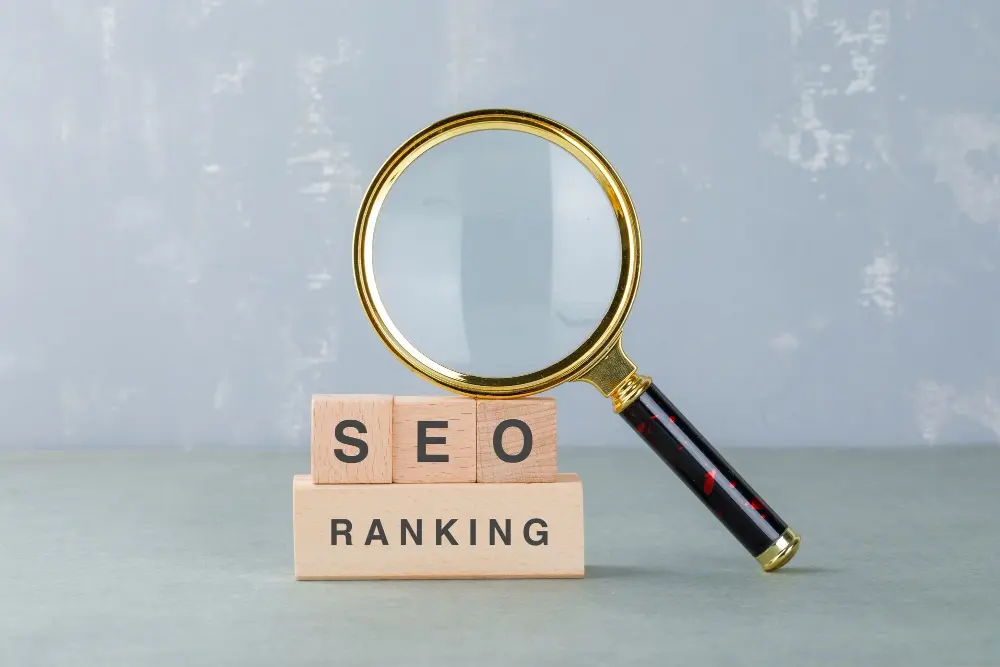
Search Engine Optimization (SEO) is the practice of improving your website’s visibility in organic (non-paid) search engine results on platforms like Google and Bing.
When someone types a query into Google, the algorithm evaluates hundreds of signals to decide which pages to show — and in what order. SEO is how you engineer those signals to work in your favor.
SEO is a long-term investment. It typically takes three to six months to see meaningful traction — but once you rank, that traffic can continue compounding without additional spend.
Social Media Marketing (SMM) is the use of social platforms — Facebook, Instagram, LinkedIn, TikTok, X (Twitter), YouTube, and others — to promote your brand, engage your audience, and drive business results.
SMM operates through two primary modes:
Platform |
Best For |
|---|---|
Facebook
|
Broad audience reach, local business ads, retargeting
|
Instagram
|
Visual brands, lifestyle products, influencer marketing
|
LinkedIn
|
B2B lead generation, professional services, thought leadership
|
TikTok
|
Brand awareness, short-form video, Gen Z and millennial audiences
|
YouTube
|
Long-form education, product demos, SEO-friendly video content
|
SMM excels at building brand personality, fostering community, and creating immediate engagement around campaigns, product launches, and trending conversations.
Understanding the difference between SEO and SMM is essential for allocating resources wisely.
Factor |
SEO |
Social Media Marketing |
|---|---|---|
Traffic Type
|
Organic, intent-driven
|
Social, discovery-driven
|
Time to Results
|
3–6+ months
|
Immediate (paid) or days (organic)
|
Longevity
|
Long-lasting; rankings persist
|
Short-lived without consistent posting
|
Cost Structure
|
High upfront, low ongoing
|
Ongoing spend for sustained reach
|
Audience Targeting
|
Based on search intent
|
Based on demographics and interests
|
Trust Signal
|
High (earned visibility)
|
Medium (varies by platform/ad fatigue)
|
Content Shelf Life
|
Long (evergreen pages)
|
Short (content cycles fast)
|
Algorithm Dependence
|
Google algorithm
|
Platform algorithms
|
The fundamental distinction: SEO captures demand that already exists. When someone searches “best CRM for small business,” they’re actively looking for a solution. SMM, by contrast, creates and shapes demand — it puts your brand in front of people before they know they need you.
Neither approach is inherently superior. They serve different stages of the buyer journey.
1. Sustainable, Compounding Organic Traffic
A well-ranked page can generate thousands of monthly visitors for years — without paying for each click. This compounding effect makes SEO one of the highest-ROI long-term investments in digital marketing.
2. High-Intent Lead Generation
People searching for specific products or solutions are often close to a buying decision. Organic traffic from commercial or transactional keywords tends to convert at significantly higher rates than social traffic.
3. Increased Online Visibility and Credibility
Ranking on page one of Google signals authority. Most users trust organic results more than ads, making SEO a powerful trust-building mechanism.
4. Cost Efficiency Over Time
While SEO requires upfront investment in content creation and technical optimization, the cost-per-click equivalent of organic traffic drops significantly as rankings improve. You aren’t paying for each visitor the way you do with PPC advertising.
5. Conversion Optimization Through Content
SEO content — blog posts, product pages, landing pages — doubles as your conversion infrastructure. Well-optimized content guides visitors from awareness to decision.

1. Immediate Brand Awareness and Reach
A single well-timed post or paid campaign can reach tens of thousands of people overnight. For product launches or time-sensitive promotions, this speed is invaluable.
2. Precise Audience Targeting
Platforms like Facebook Ads and LinkedIn Ads allow you to target by job title, industry, age, location, behavior, and even life events — making SMM ideal for precise customer acquisition.
3. Community Building and Engagement
Social media creates two-way communication channels. Brands that engage authentically build loyal communities that amplify organic reach and reduce customer acquisition costs over time.
4. Viral and Discovery Potential
A compelling piece of content can spread far beyond your follower base, generating earned reach that no paid channel can replicate.
5. Retargeting and Funnel Nurturing
Social platforms allow you to retarget website visitors, video viewers, or email list members — keeping your brand top-of-mind as prospects move through the decision-making process.
When choosing between SEO and social media marketing, consider where your business is in its growth cycle and what kind of returns you need — and when.
Business Stage |
Recommended Focus |
|---|---|
Pre-launch / Brand new
|
SMM for early awareness + SEO foundation
|
0–12 months old
|
Balanced: SMM for leads, SEO for long-term authority
|
Established with budget
|
Full integrated strategy
|
Limited budget
|
SEO for sustainable ROI (if timeline allows)
|
Event-based or seasonal
|
SMM for immediate reach
|
Service-based local business
|
Local SEO + targeted social ads
|
For startups with limited cash flow, organic SEO can reduce dependency on paid advertising over time — but requires patience. Social media can fill the short-term gap while SEO compounds.
There’s no universal answer, but here are scenario-based recommendations drawn from practical experience:
Local Businesses (Restaurants, Salons, Contractors)
Prioritize Local SEO + Facebook/Instagram Ads Local search queries (“plumber near me,” “best pizza in [city]”) have extremely high buying intent. Google Business Profile optimization combined with targeted local social ads is a proven combination.
E-Commerce Stores
SEO for product discovery + Instagram/TikTok for brand awareness Product-category SEO drives high-intent traffic; social media builds desire and supports retargeting funnels.
B2B Companies and SaaS
SEO + LinkedIn Marketing B2B buyers conduct extensive research before purchasing. Ranking for industry keywords and publishing LinkedIn thought-leadership content together establish credibility at every funnel stage.
Startups and Early-Stage Businesses
SMM first, SEO foundation in parallel Social media produces faster feedback loops and initial traction. Use early data to inform your keyword and content strategy.
Personal Brands and Creators
Social media-first, SEO for discoverability Authenticity and personality drive social engagement; SEO extends your reach to audiences actively searching your niche.
Business Stage |
Recommended Focus |
|---|---|
Pre-launch / Brand new
|
SMM for early awareness + SEO foundation
|
0–12 months old
|
Balanced: SMM for leads, SEO for long-term authority
|
Established with budget
|
Full integrated strategy
|
Limited budget
|
SEO for sustainable ROI (if timeline allows)
|
Event-based or seasonal
|
SMM for immediate reach
|
Service-based local business
|
Local SEO + targeted social ads
|
Measuring ROI accurately is non-negotiable — regardless of which channel you choose.
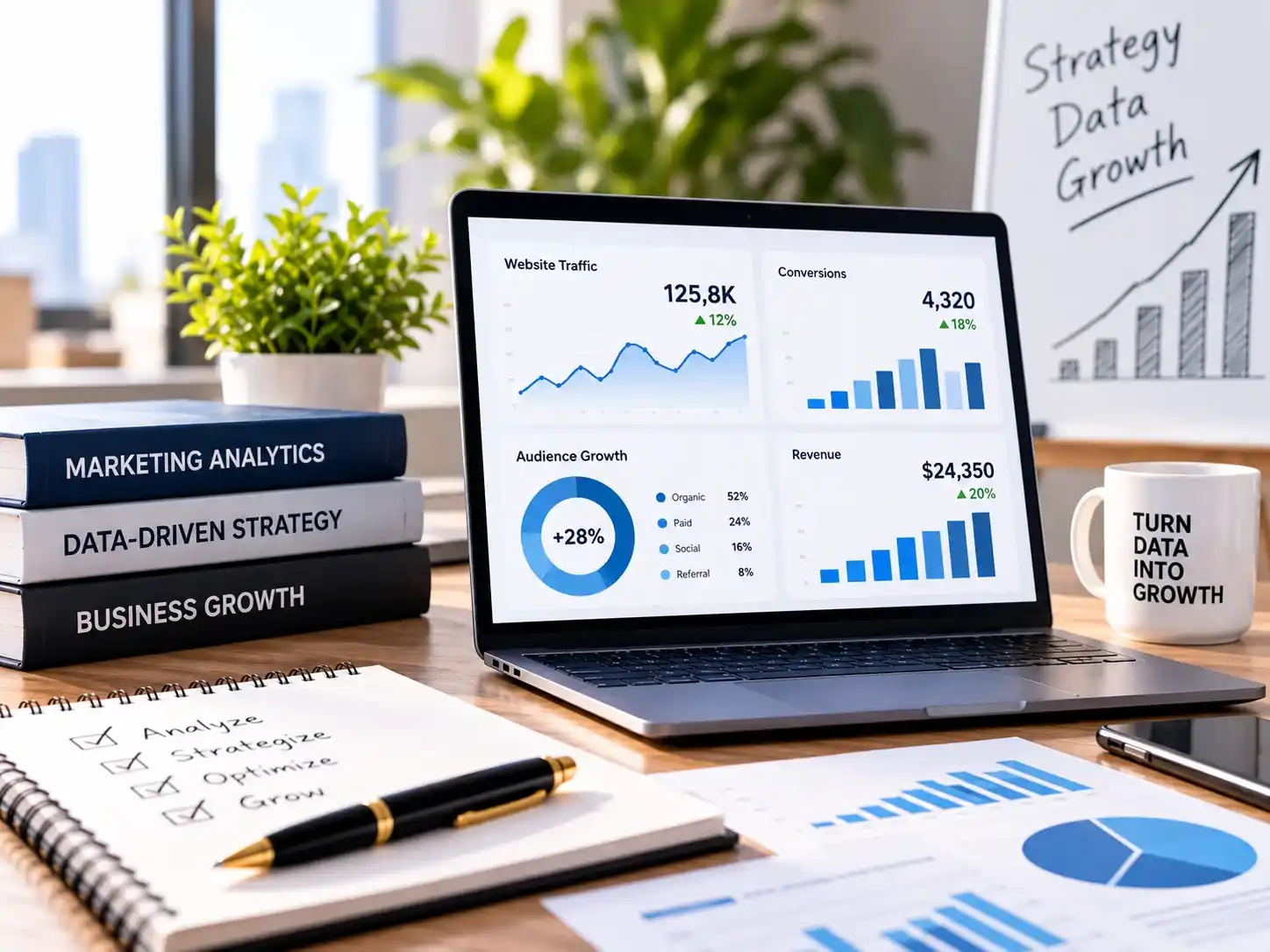
Use Google Analytics 4 (GA4) and UTM parameters to attribute leads and conversions accurately to their source, whether organic, paid social, or referral.

A strong SEO strategy creates assets that social media marketing can distribute and amplify:
In essence, SEO builds the content library that social media lives on.
The relationship works in both directions. Social media activity contributes to SEO in several meaningful ways:
The strongest digital marketing strategies treat SEO and social media as partners, not competitors. Here’s what an integrated approach looks like in practice:
This flywheel approach allows each channel to strengthen the other — producing compounding returns that neither channel achieves in isolation.
Even experienced marketers fall into predictable traps when managing SEO and SMM:

Managing SEO and social media simultaneously — while running a business — is genuinely difficult. An experienced digital marketing agency brings:
The most effective agencies don’t push you toward one channel — they analyze your business goals, audience, and competitive landscape to recommend the mix that generates the best return on your specific investment.
The debate between SEO vs social media marketing is a false choice. The most successful businesses in 2026 don’t pick one over the other — they understand what each channel does best and build a strategy that leverages both.
SEO is your long-term growth engine: a compounding asset that builds authority, captures high-intent traffic, and reduces dependence on paid media over time. Social media marketing is your acceleration lever: a real-time tool for building brand awareness, engaging audiences, and generating fast results when speed matters.
Used together — with a coherent content strategy, clear attribution, and consistent execution — SEO and social media marketing become more powerful than the sum of their parts.
If you’re ready to build a smarter, integrated digital marketing strategy that drives sustainable growth, don’t go it alone. Partner with a professional digital marketing team that understands both channels deeply — and can tailor a strategy to your specific goals, audience, and budget.
The businesses that grow fastest in 2026 are the ones that stop choosing between SEO and SMM — and start using both strategically.
SEO (Search Engine Optimization) focuses on improving your website's visibility in organic search results through content, technical optimization, and link building. SMM (Social Media Marketing) uses social platforms to build brand awareness, engage audiences, and drive traffic — through both organic posts and paid advertising.
Neither is universally better. SEO is stronger for long-term organic growth and high-intent lead generation. Social media is better for immediate awareness, community building, and precise audience targeting. Most businesses benefit from a combination.
Absolutely. Social media amplifies SEO content, drives early traffic, and generates link opportunities. SEO provides keyword data that informs social content strategy. Together, they create a compounding growth engine.
Yes. Once your pages rank, they generate consistent organic traffic without ongoing per-click costs. SEO provides durable, compounding returns that social media campaigns — which stop delivering when you stop spending — cannot replicate.
Yes. Paid social campaigns can deliver results within hours. Organic social content can generate engagement within days. SEO typically requires 3–6 months before significant ranking improvements appear.
SEO generally delivers higher ROI over a 12–24 month horizon due to compounding organic traffic. Social media paid campaigns can generate strong short-term ROI with proper targeting and creative. Long-term, integrated strategies consistently outperform single-channel approaches.
Startups should build an SEO foundation early while using social media (organic and paid) for faster initial traction. Social media helps validate messaging and generate early customers; SEO reduces reliance on paid channels over time.
Use Google Analytics 4 with UTM parameters to track traffic sources and conversions. Google Search Console monitors SEO performance. Native social media analytics platforms (Meta Insights, LinkedIn Analytics) track engagement and ad performance. For true ROI, connect these to your CRM or revenue data.
Yes — but proportionally. A small business with limited budget might allocate 60% to SEO (for long-term sustainability) and 40% to targeted social ads (for faster lead generation), adjusting based on results.
An integrated strategy combining SEO, content marketing, and targeted social media is most effective. The specific mix depends on your industry, audience, budget, and timeline. There is no one-size-fits-all answer — but businesses that treat SEO and SMM as complementary channels consistently outperform those that invest in only one.
Our team will answer all your questions, We ensure a quick response.