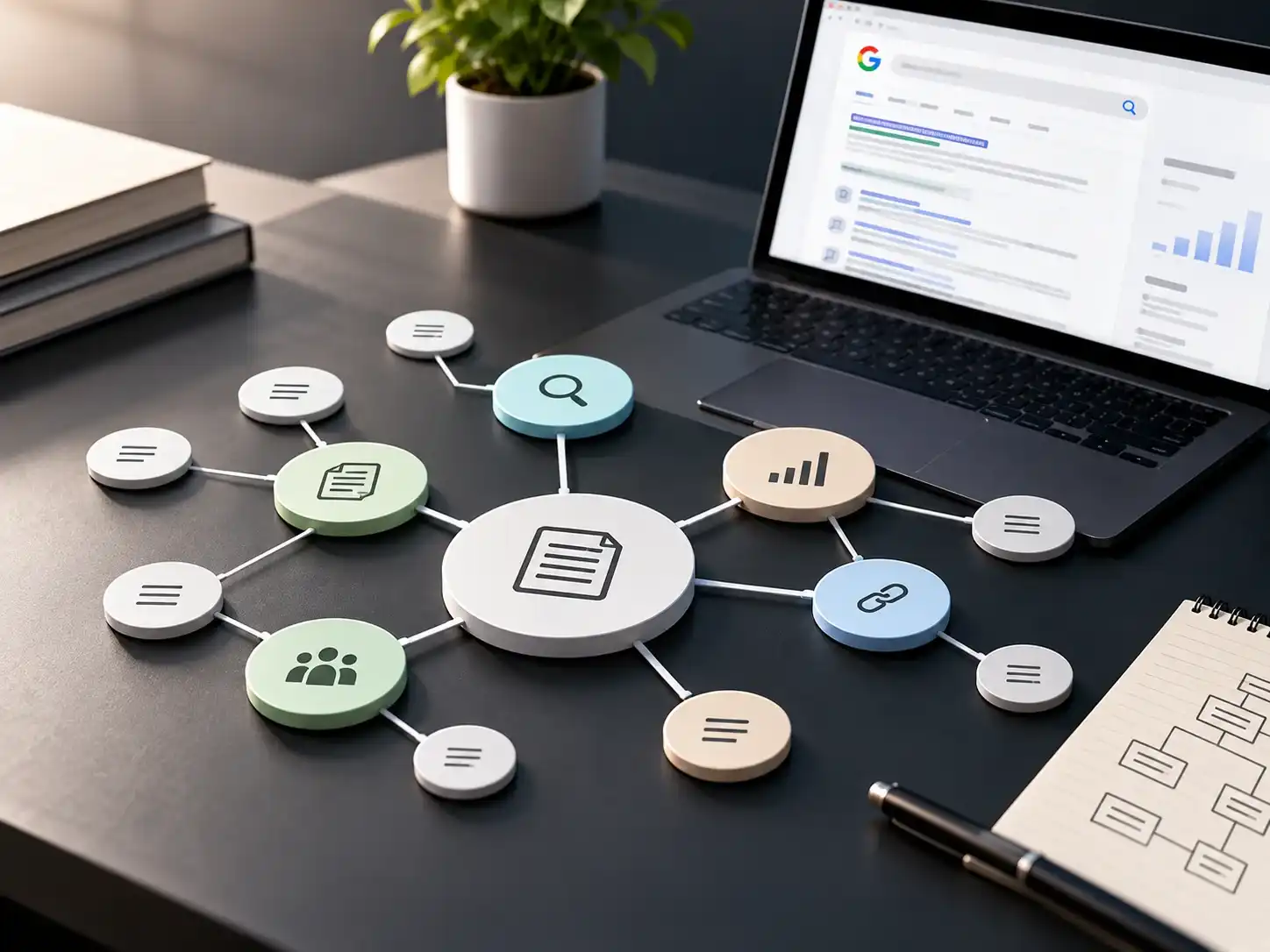
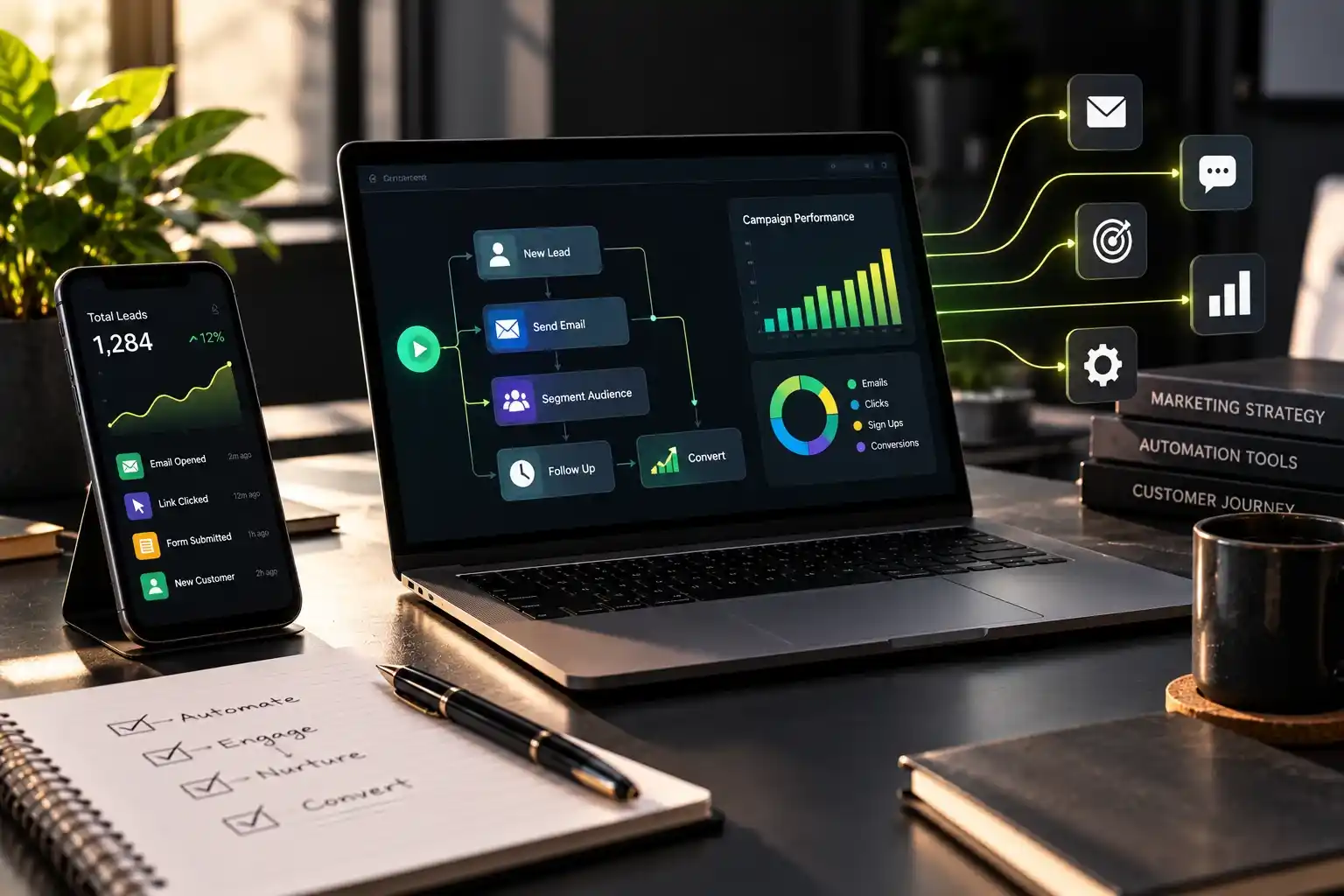
Your flooring business isn’t struggling with demand—it’s struggling with visibility. Every day you’re not ranking on Google, your competitors are capturing the leads that should be yours.
Most flooring companies depend on referrals—and referrals are great, until they slow down. You have a website, but it isn’t generating consistent calls or inquiries.
Here’s the reality: today’s customers search on Google before choosing a flooring contractor. If your business isn’t visible in those results, you’re losing potential local customers every single day. And the worst part? Those customers are hiring your competitors—often within minutes of searching.
This guide breaks down how flooring company SEO marketing works, what steps to take, and how to turn your website into a reliable system that consistently generates local leads for your flooring business—with the right search engine optimization strategy in place.
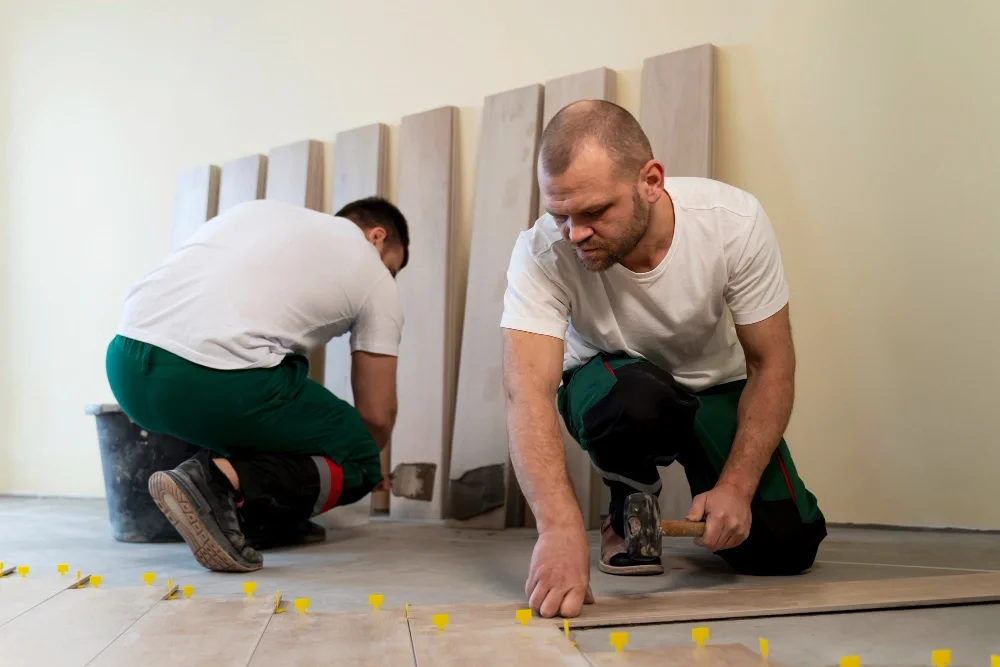
Most flooring companies misunderstand SEO—they think it’s about traffic. It’s not. It’s about getting found by people who are ready to hire.
SEO for flooring companies means optimizing your online presence so your business appears in search results when local customers are actively looking for flooring services.
Unlike paid ads, SEO focuses on organic (non-paid) traffic—which means once you rank, you generate leads without paying per click.
Here’s where most flooring companies miss easy wins: local SEO.
Local SEO for flooring companies is location-based optimization that helps your business appear when nearby customers search for flooring services. Instead of competing nationally, you focus your effort on the specific areas you actually serve.
In simple terms, you’re showing up exactly when and where customers are ready to hire.
But here’s the real question—are you visible when they’re actually searching?
Your Google Business Profile is one of the most powerful tools for improving local visibility. When optimized correctly, it places your business in the Google map pack—the three local listings that appear above organic search results.
This is often the difference between getting calls and getting ignored.
To strengthen your Google map pack ranking:
Google determines local rankings based on three core factors:
Improving all three is what drives strong local search rankings over time—and ultimately helps generate local leads for the flooring business consistently.
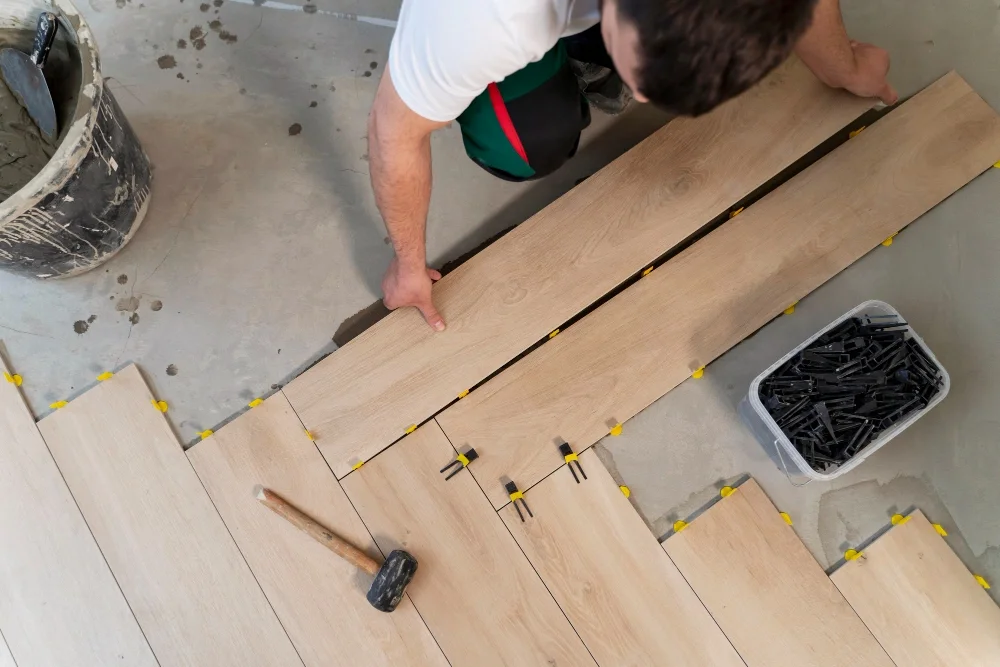
Here’s where most flooring companies get SEO wrong: they target keywords—but ignore search intent.
Keyword intent targeting is about finding the exact phrases your ideal customers are searching—before they find your competitors. If you’re targeting the wrong keywords, you might get traffic—but not the kind that turns into calls.
These are the types of searches that bring in high-intent traffic—people who are actively looking to hire, not just browse.
Ranking is only half the job. If your page doesn’t convert visitors into calls, rankings don’t matter.
If visitors land on your page, would they actually call you?
Flooring website SEO optimization starts with the pages you already have. Every page should be built not just to rank—but to turn visitors into real leads.
These elements help search engines understand your content—and help users decide whether to click.
Good content answers real customer questions. For solid on-page SEO optimization:
If your content doesn’t answer what users are searching for, it won’t rank—and even if it does, it won’t convert.
Before-and-after flooring project photos build trust and improve engagement. People want to see real results before they make a decision.
Always:
These small optimizations improve both user experience and your chances of ranking higher.
Strong content alone won’t rank well if your site has underlying technical problems. Technical SEO performance directly affects how Google crawls, indexes, and ranks your pages.
Slow pages lose visitors before they even read a word. In most cases, they leave before they even see what you offer.
A fast-loading website improves both user experience and search engine rankings. Use Google Search Console to identify underperforming pages and prioritize fixes.
The majority of flooring-related searches happen on mobile devices. Mobile responsiveness is now a confirmed Google ranking factor—and a poorly optimized mobile experience kills conversions even if you manage to rank.
Most businesses don’t realize this, but they’re losing leads simply because their site doesn’t work properly on a phone.
Google measures real-world site performance through Core Web Vitals. Your site should run on HTTPS, load primary content quickly, and avoid unexpected layout shifts that frustrate users.
These technical factors may seem small—but they directly impact rankings, user experience, and ultimately, your ability to bring in consistent local inquiries.
Content is where most flooring companies either dominate search or disappear from it completely.
A well-planned content strategy is one of the strongest flooring business marketing strategies for driving organic traffic growth over the long term. Done right, it builds authority, improves rankings, and consistently generates local leads for the flooring business.

Build a dedicated page for every service you offer:
Hardwood flooring installation, SEO, and tile flooring marketing each need their own pages. Bundling multiple services onto one generic page dilutes your ability to rank for any of them.
Each page should target a specific service and clearly answer what customers are searching for—pricing, process, timelines, and benefits.
If you serve multiple cities or neighborhoods, create individual location pages. Each one should have unique, locally relevant content—not just a copy-paste with the city name swapped.
This helps you rank in multiple areas and improves your local search rankings across your service region.
A blog builds a flooring contractor’s online visibility and supports organic traffic growth. It also helps you reach potential customers earlier in their decision-making process—especially when you understand how AI is changing SEO and content strategies.
Strong topics include:
Consistently publishing helpful content positions your business as a trusted resource—not just another contractor.

Most flooring companies don’t struggle because of competition—they struggle because of weak SEO foundations.
Common issues include:
Think of backlinks as trust signals. The more credible websites that mention your business, the more Google trusts your site.
Backlinks—links from other websites to yours—signal to search engines that your site is trustworthy and authoritative. Without them, even well-optimized pages can struggle to rank.
Consistent citations across these platforms also reinforce your Google Business Profile and strengthen local search rankings over time.
You can’t improve what you don’t measure. Tracking is a non-negotiable part of any flooring company’s SEO marketing strategy.
Without tracking, you’re guessing—and guessing doesn’t grow a business.
These metrics show whether your SEO efforts are actually generating local leads for your flooring business—or just bringing in traffic with no results.
This is where proper analytics and performance tracking become essential to understand what’s working—and what needs improvement.”
Tracking consistently helps you identify what’s working, fix what’s not, and scale results over time.
A Dallas-based flooring contractor replaced a generic page titled “Our Services” with specific pages like “Tile Flooring Installation in Dallas.” Within 90 days, that page began ranking for local searches and driving high-intent traffic directly to the business—without any paid ads.
After fully completing their Google Business Profile and systematically responding to every customer review, a flooring contractor saw a measurable increase in inbound calls within 60 days. Improved reviews strengthened their Google map pack ranking and expanded local visibility across their service area.
A WordPress-based flooring website published 12 blog posts targeting location + service keyword combinations. Over six months, those posts built consistent lead generation by reaching customers earlier in their research process—before competitors even entered the picture.
If you only implement a few things from this guide, start here:
Businesses that grow sustainably treat branding as a foundation — not an afterthought.
If you want to explore branding models in more depth, you can also read our detailed guide on “What Are the 4 Types of Branding? A Complete Guide” to understand how different branding structures apply to various business models.
Start with clarity. Apply it consistently. Build from there.
Flooring company SEO marketing isn’t a one-time task—it’s a long-term investment in generating consistent local leads without relying entirely on referrals or paid ads.
By combining local SEO for flooring companies, well-structured service pages, and strong technical SEO performance, you build a system that delivers results month after month.
When done right, SEO becomes more than visibility—it becomes a reliable pipeline supported by strong lead generation services.
If your business isn’t showing up in search results, it’s not being considered—and if it’s not being considered, it’s not getting the job.
Businesses that invest in SEO for flooring companies today will dominate local search tomorrow. Start with the basics: optimize your Google Business Profile, build dedicated service pages, and track performance from day one.
Long-term growth starts with showing up—and SEO is how you get there. Because in today’s market, if you’re not visible, you’re invisible.
Typically, 3–6 months to see noticeable results. Timelines vary based on your local competition and the current state of your website. But consistency is what makes the difference.
Yes. A Google Business Profile alone isn't enough. Your website is the primary asset that supports flooring website SEO optimization and converts visitors into leads.
SEO for flooring companies builds long-term growth—paid ads stop working the moment your budget runs out. Both have a place, but SEO creates lasting online visibility that compounds over time.
Focus on relevance over volume. Target one primary keyword per page, and support it with related terms used naturally throughout the content.
The fundamentals—optimizing your Google Business Profile, updating title tags, improving page speed—are manageable. Advanced flooring business marketing strategies like link building and technical audits often benefit from professional support.
Our team will answer all your questions, We ensure a quick response.